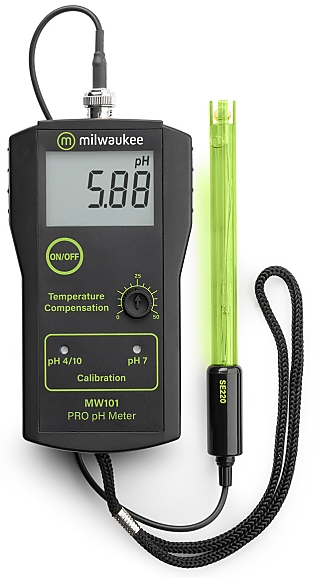
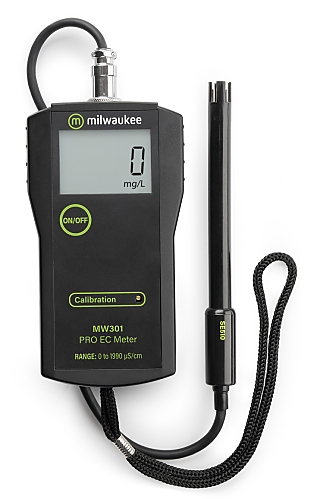
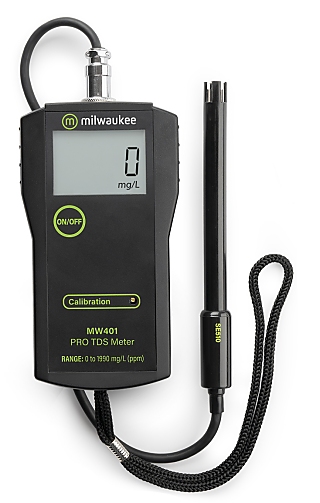
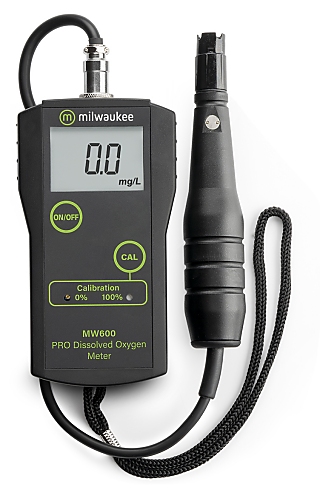
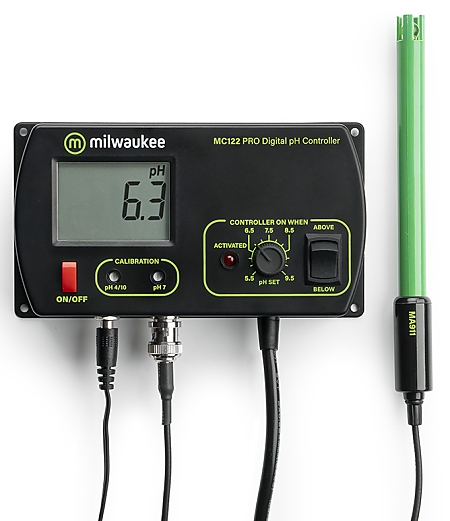
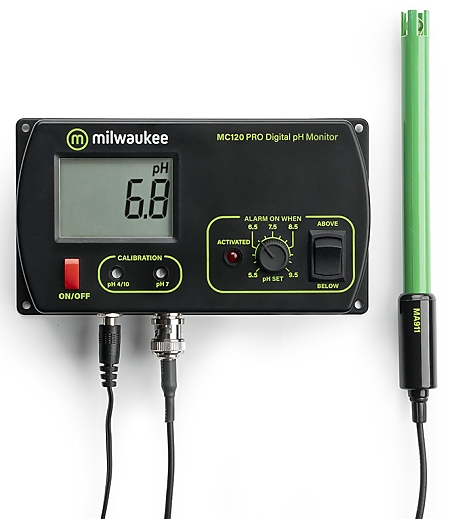
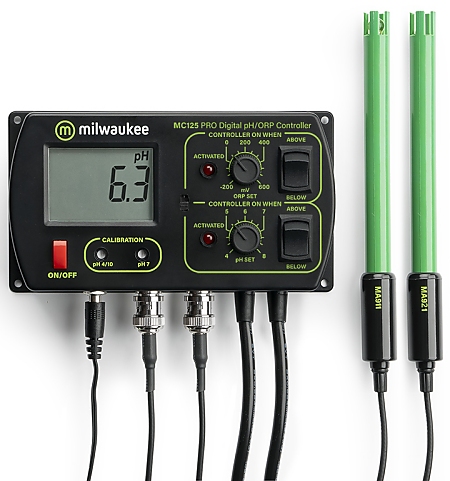
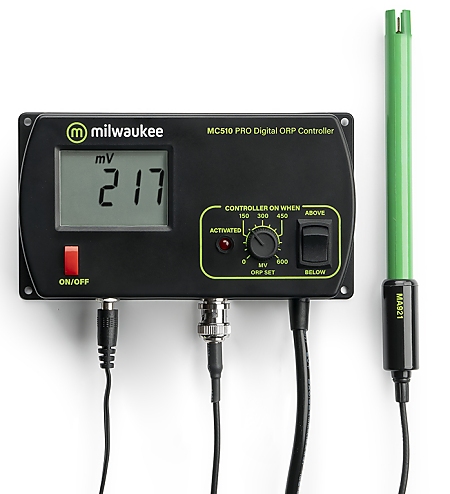
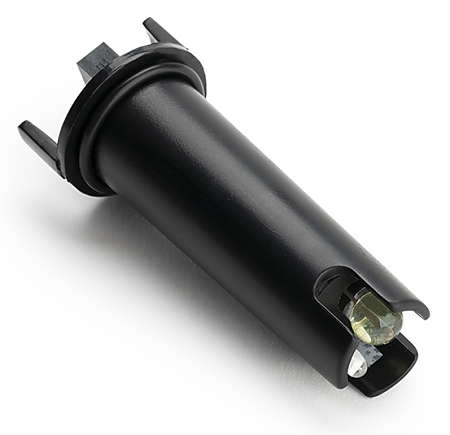
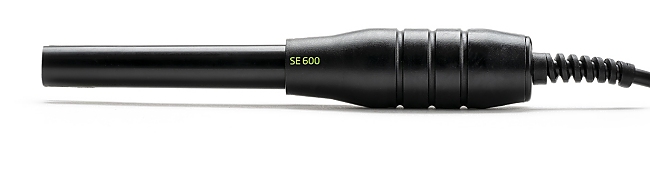
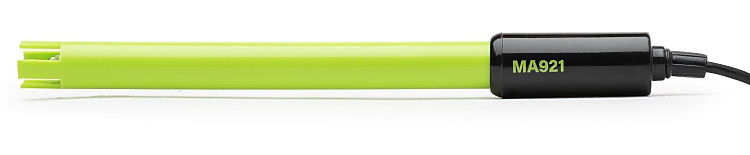
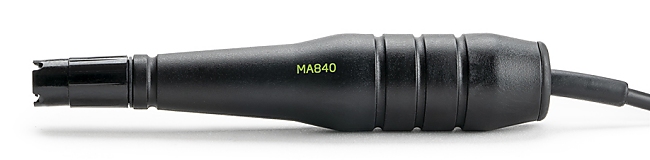
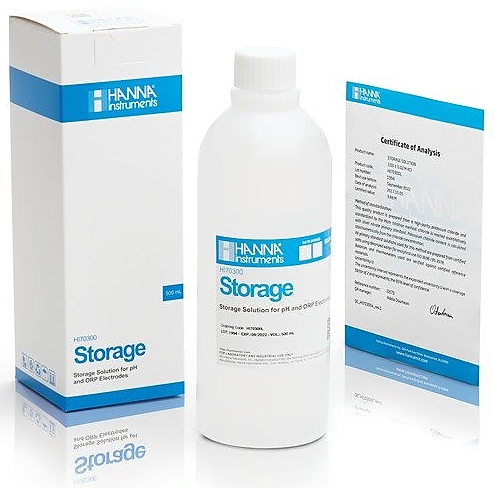
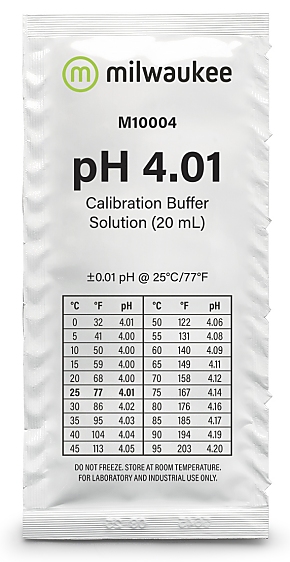
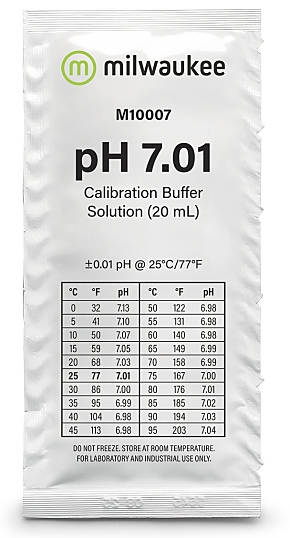
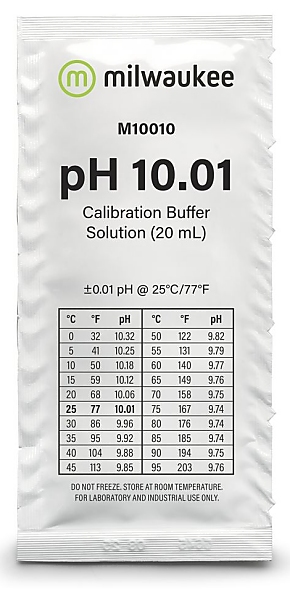
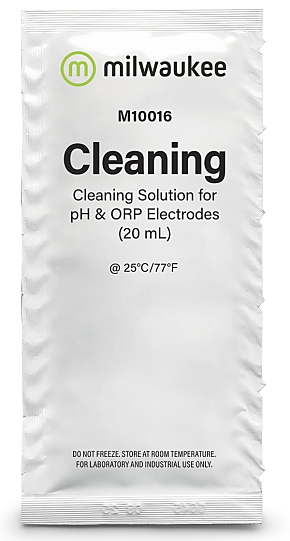
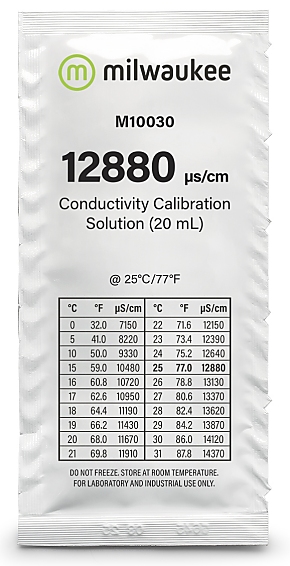
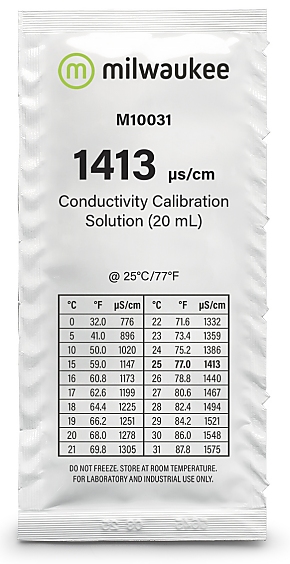
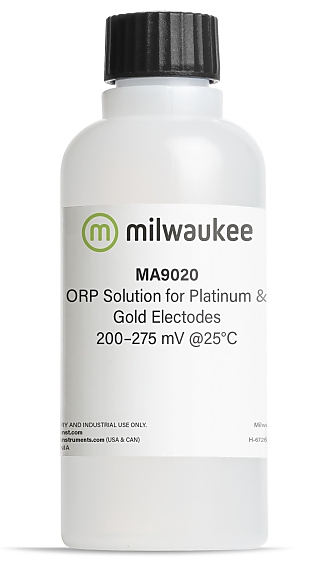
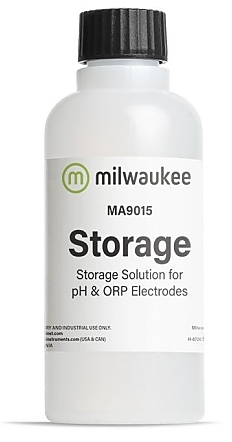
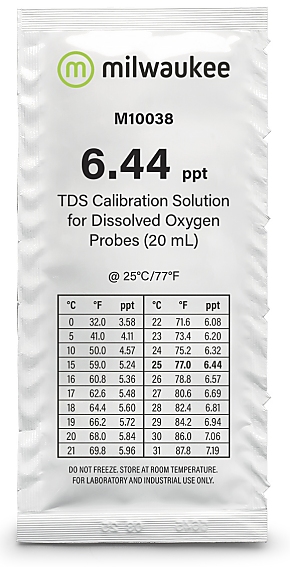
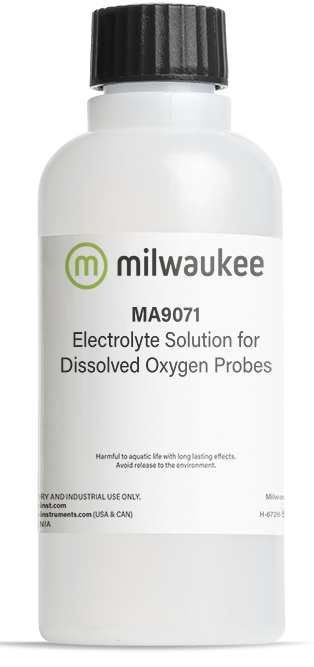
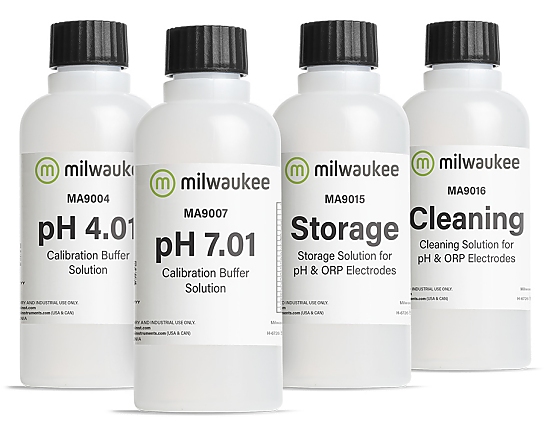
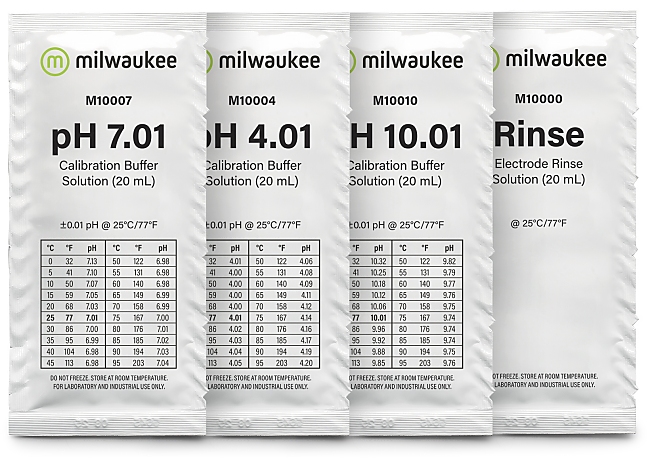
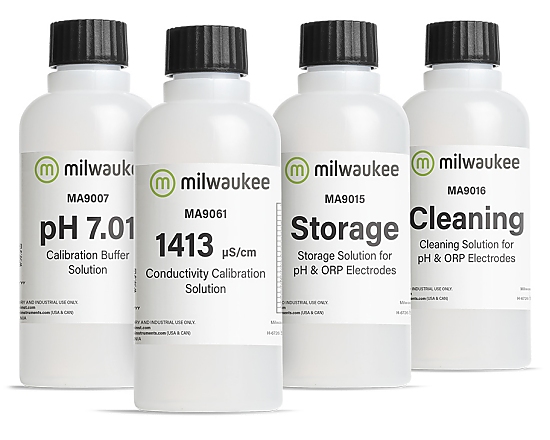
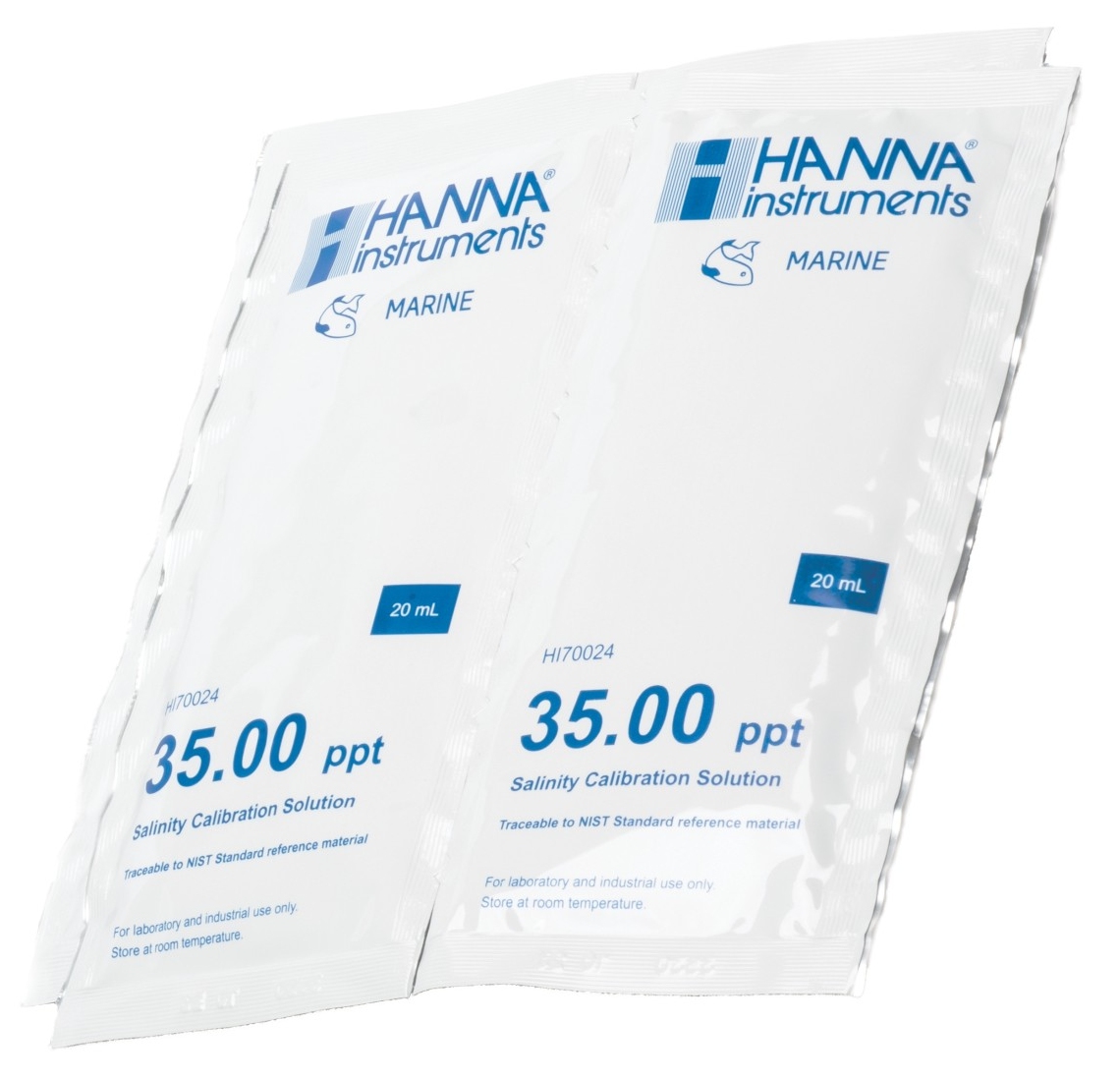
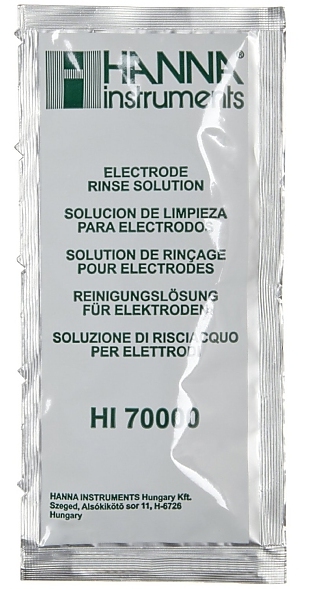
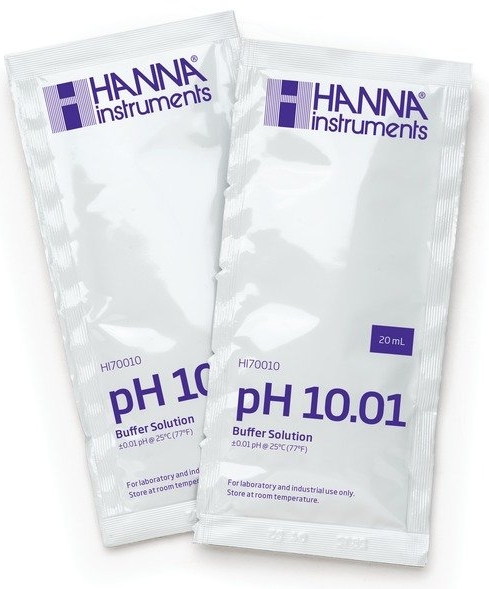
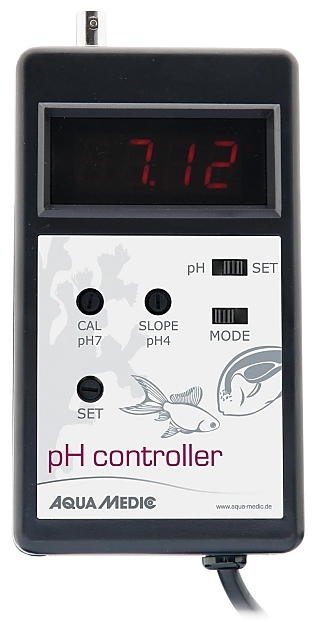
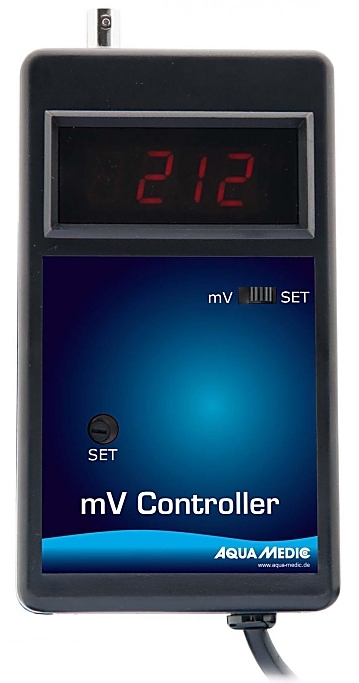
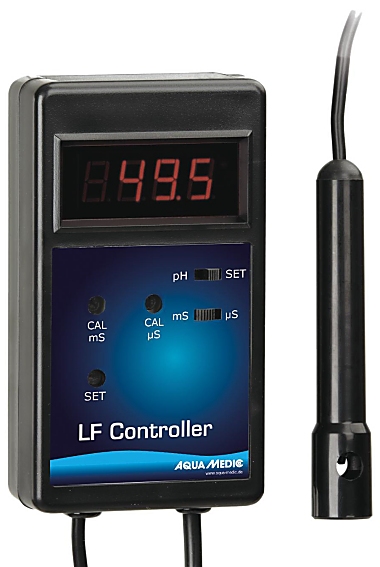
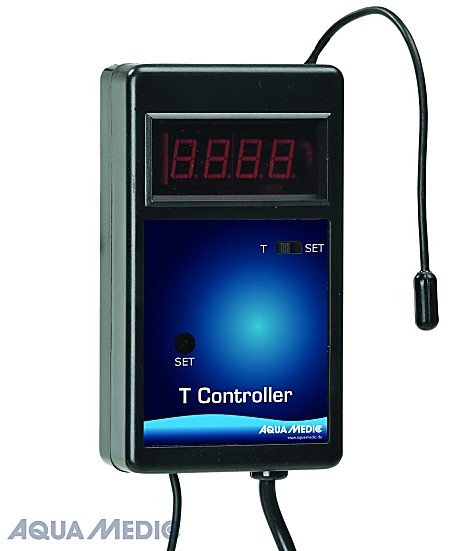
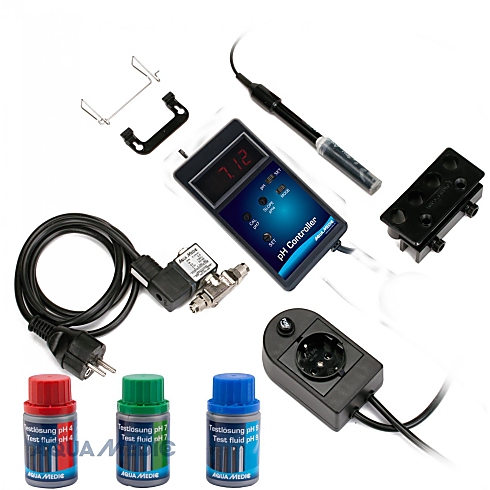
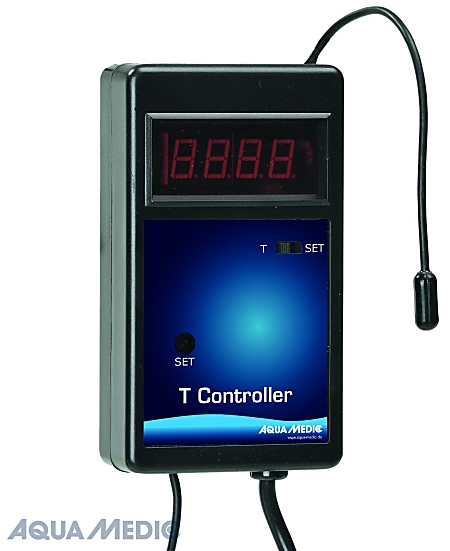
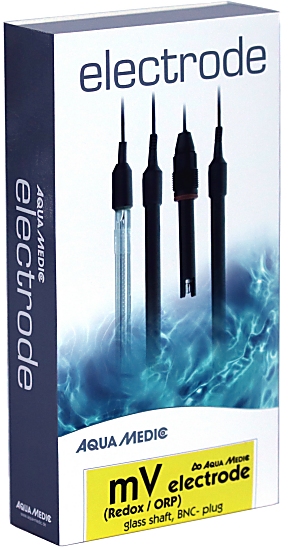
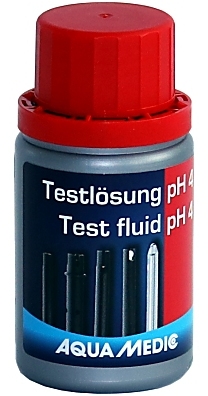
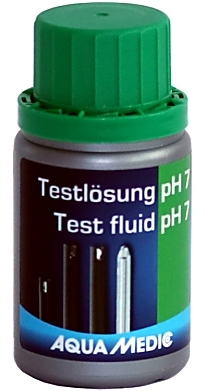
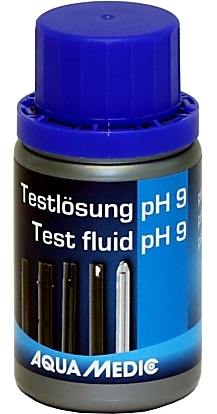
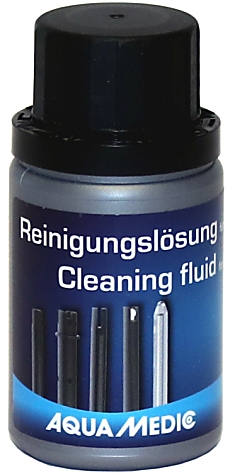
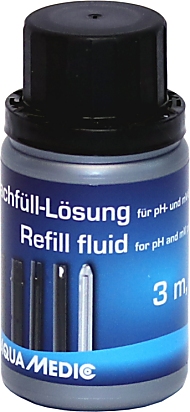
Digital measuring equipment should be calibrated and maintained according to the manufacturer’s instructions. Rinse probes as specified, use the correct storage solution and replace damaged or exhausted electrodes. Unusual readings should be checked with a freshly calibrated instrument or an independent test before changing aquarium conditions.
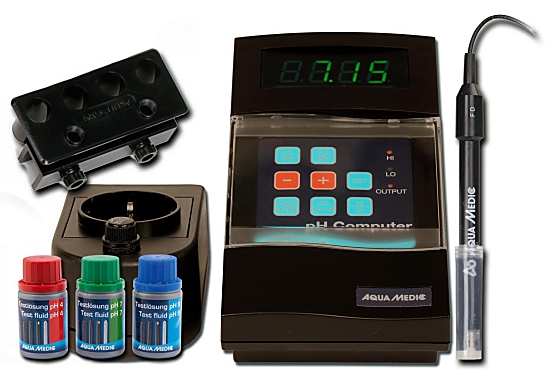
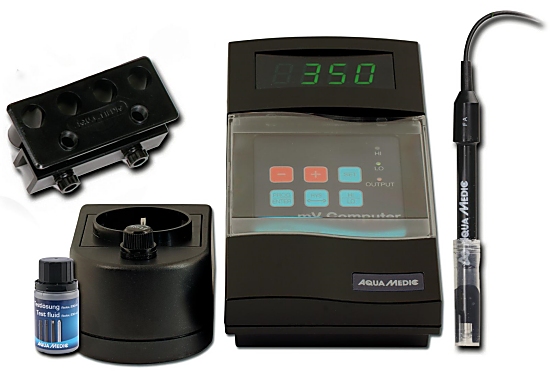
Controllers can support CO2 dosing, heating, cooling or other technical functions, but their settings must match the aquarium and connected equipment. Define sensible limits and check how the system behaves if a probe, power supply or connected device fails. Calibration fluids, replacement electrodes and compatible accessories should be considered when comparing the total cost of a measuring system.
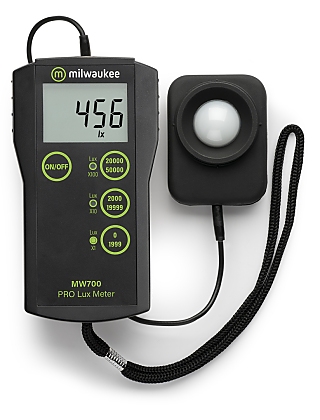
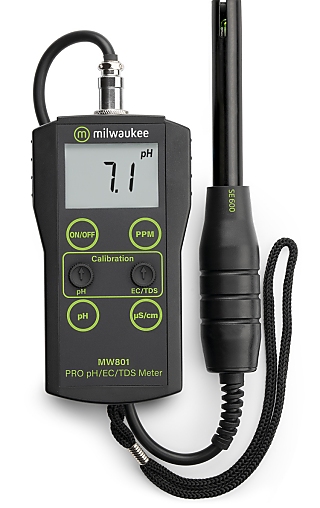
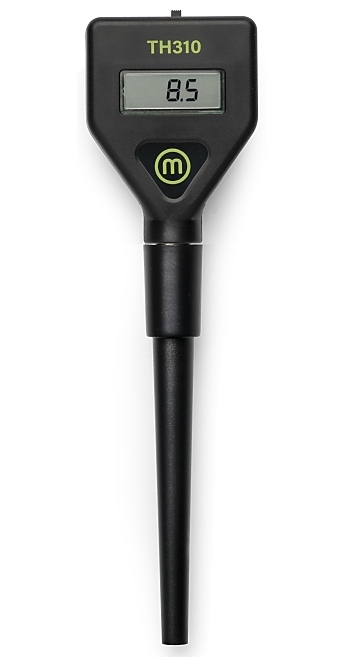
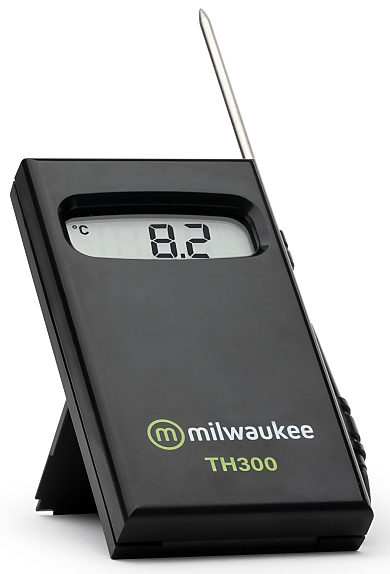
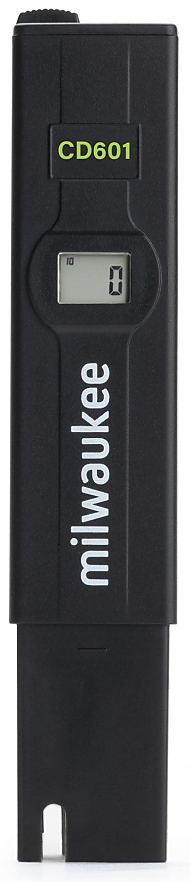
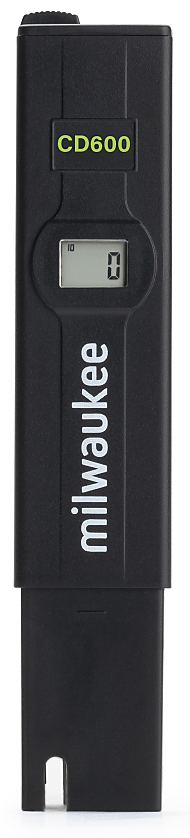
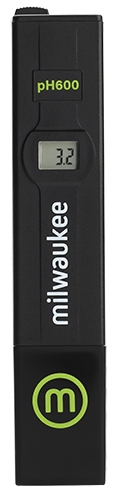
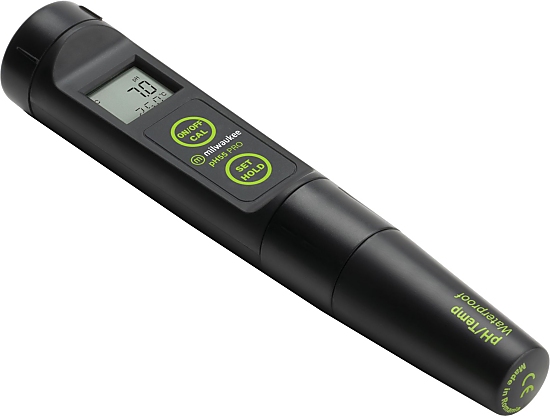
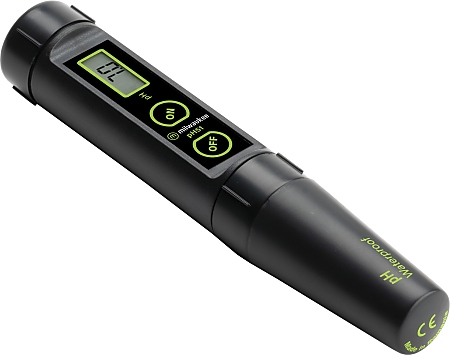
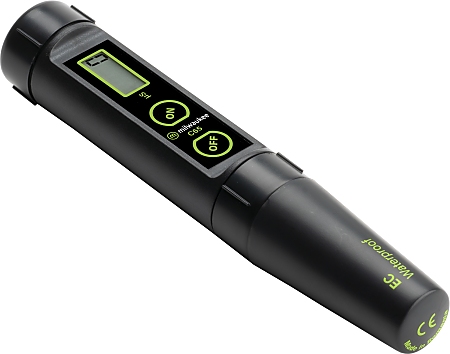
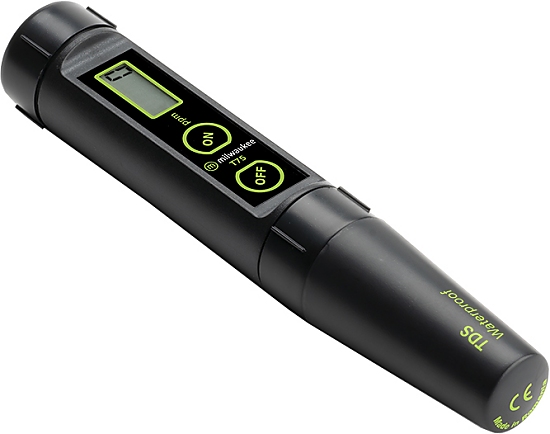
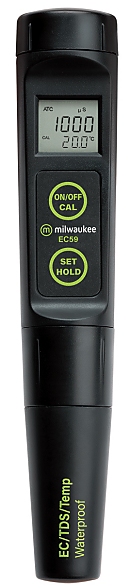
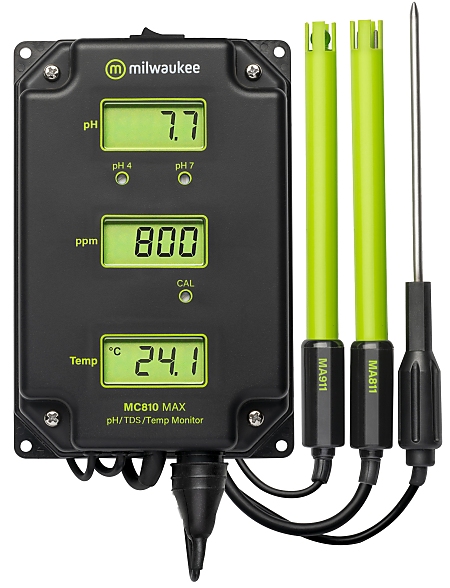
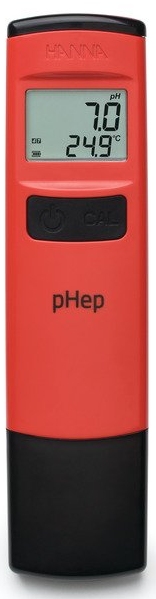
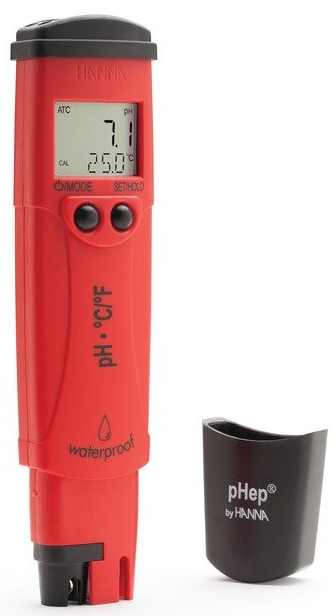
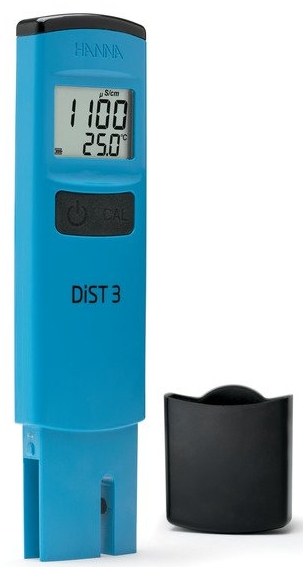
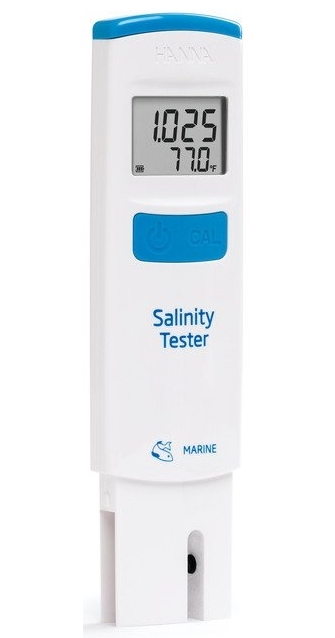
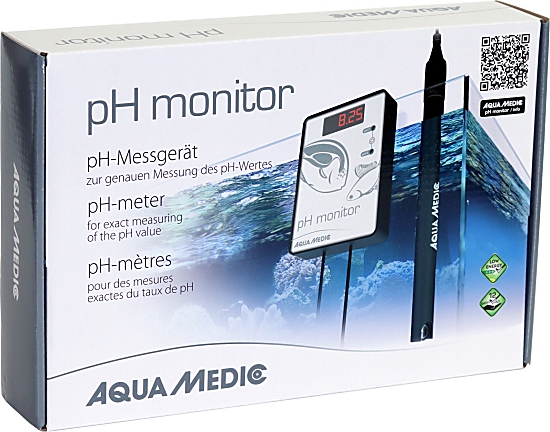
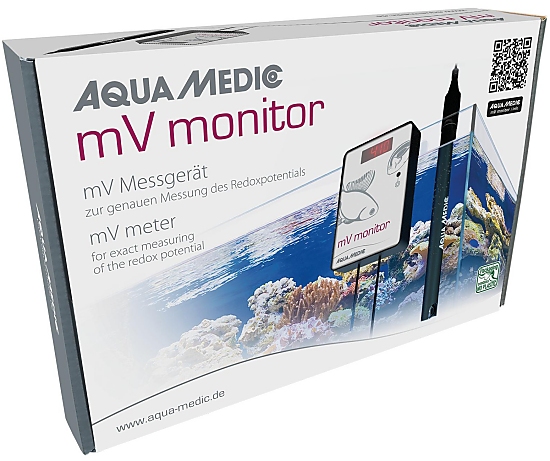
Aquarium measuring instruments provide digital readings for water parameters and operating conditions. Depending on the device, the range includes meters, testers and monitors for pH, conductivity, TDS, redox potential, salinity, oxygen, temperature or light intensity. Controllers can additionally switch compatible equipment when defined limits are reached.
Select the instrument according to the parameter, required measuring range and intended use. A portable tester is suitable for individual measurements, while a monitor is designed for continuous observation. When choosing a controller, check its switching function, connection, permitted electrical load and compatibility with the equipment to be controlled.
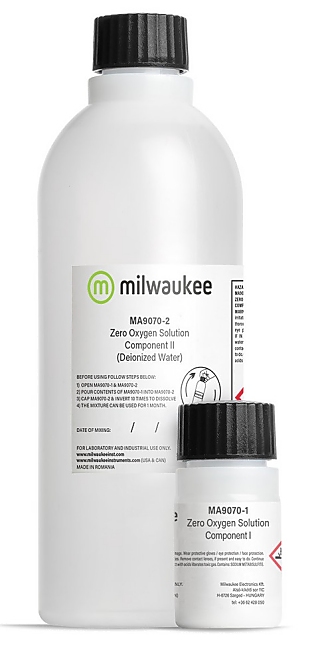
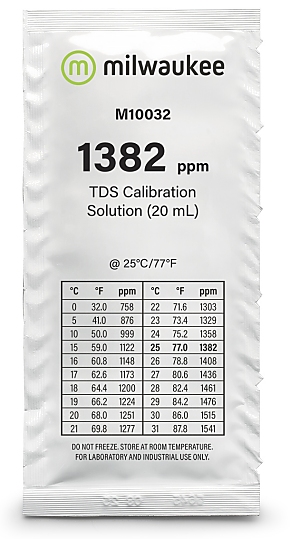
Accurate measurements also depend on calibration, probe condition and correct storage. Compare whether calibration solutions, electrodes, temperature compensation, power supply or other accessories are included. Product pages provide measuring ranges, resolution, supplied components and available replacement probes.