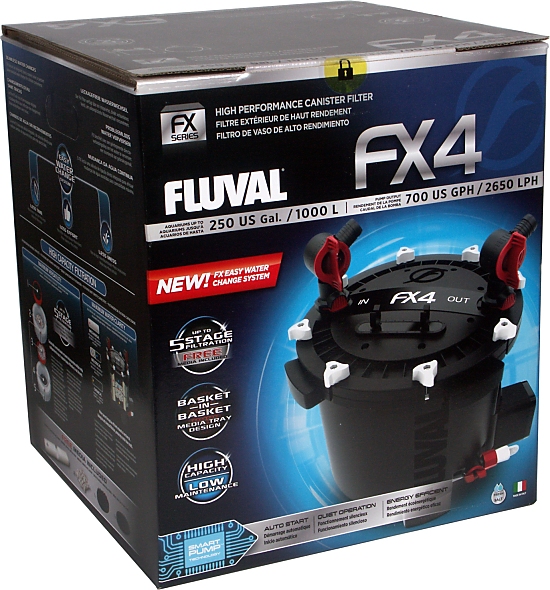
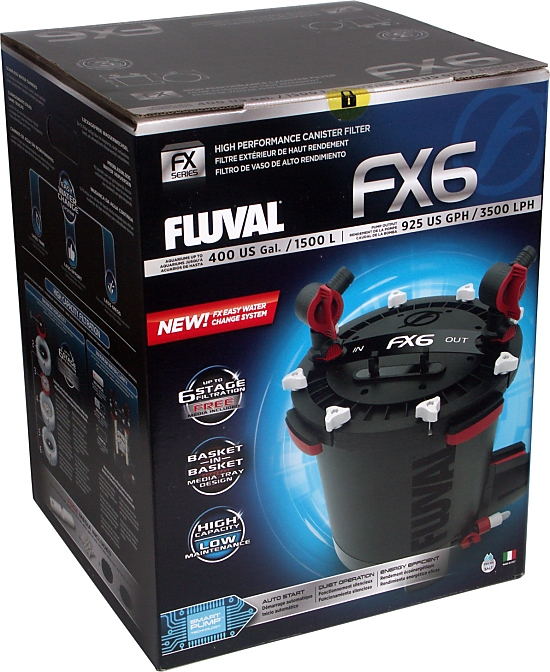
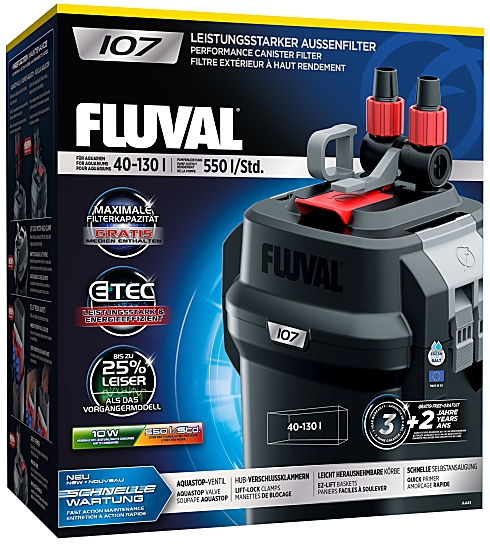
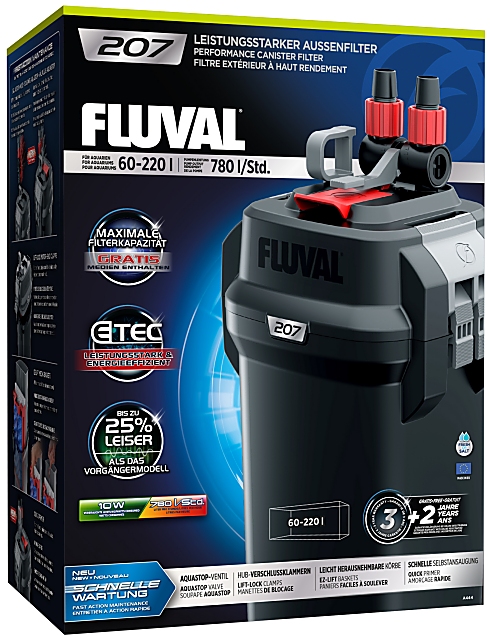
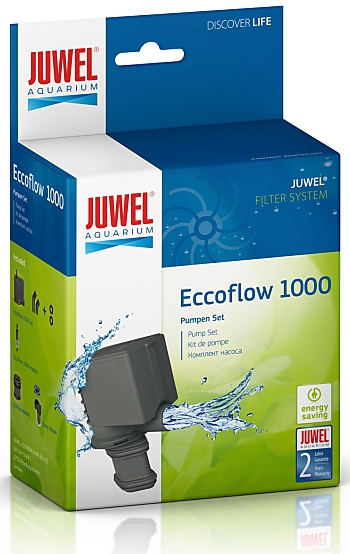
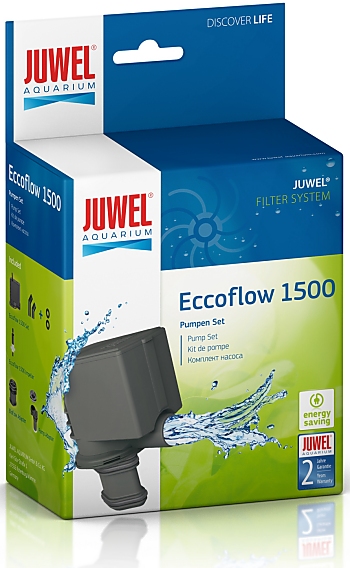
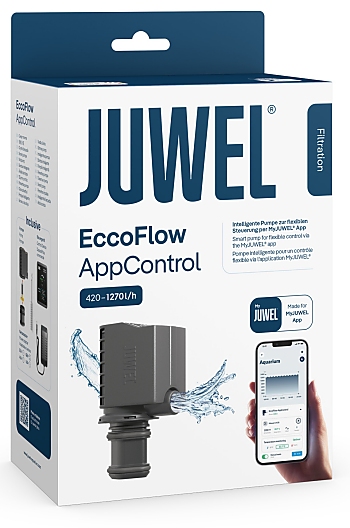
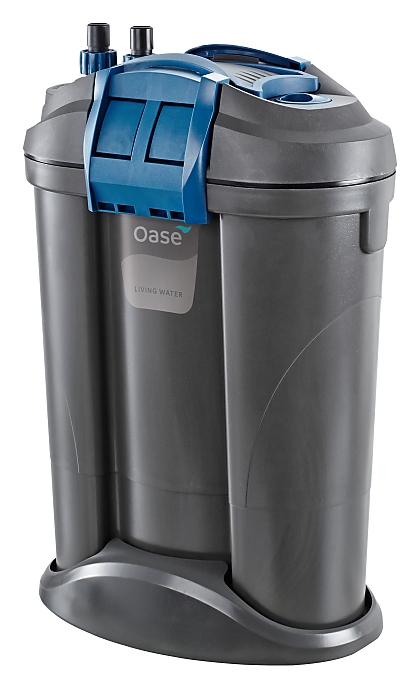
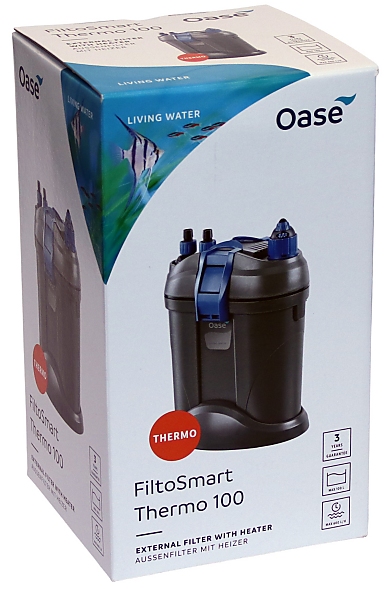
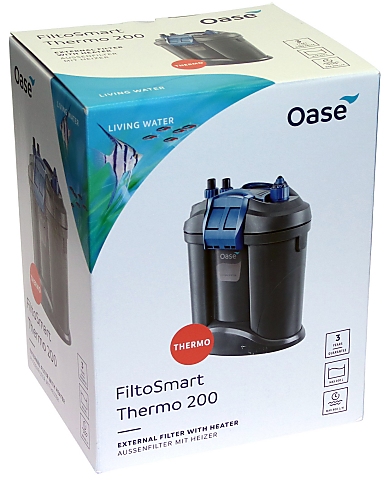
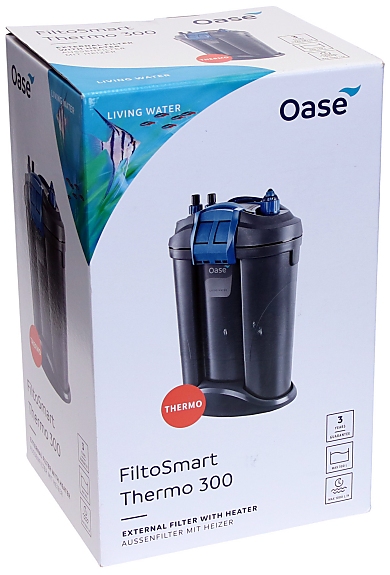
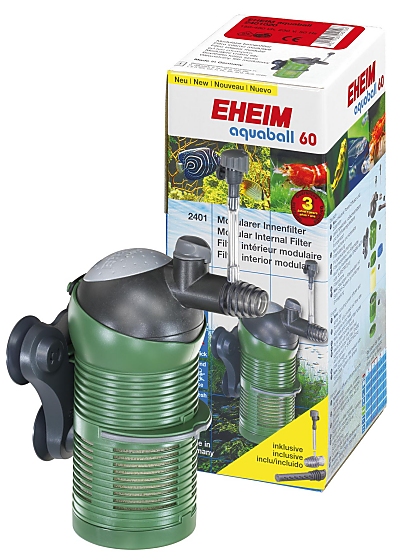
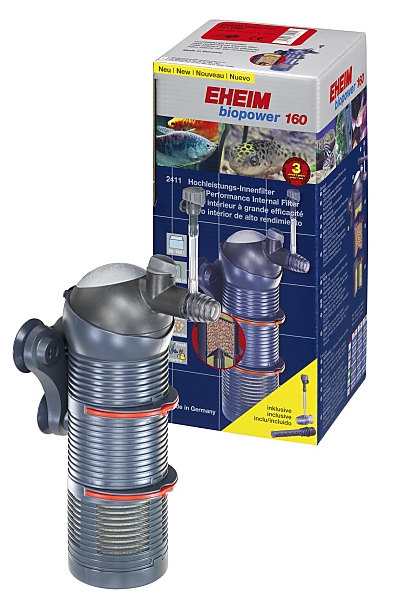
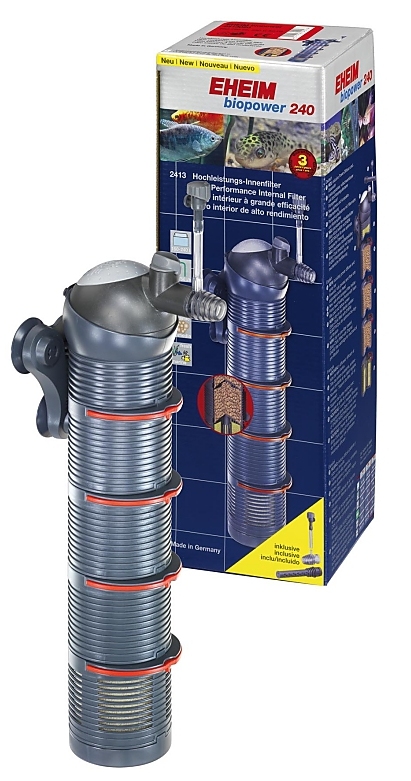
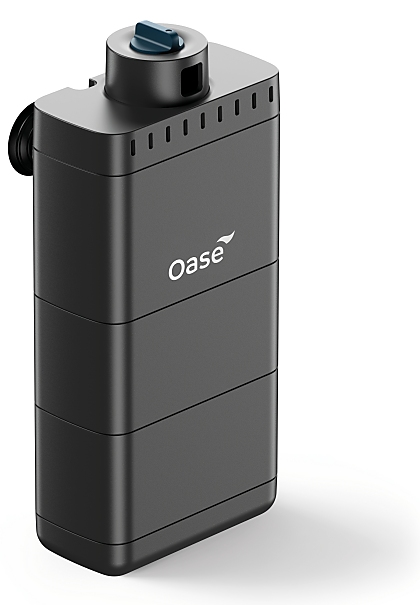
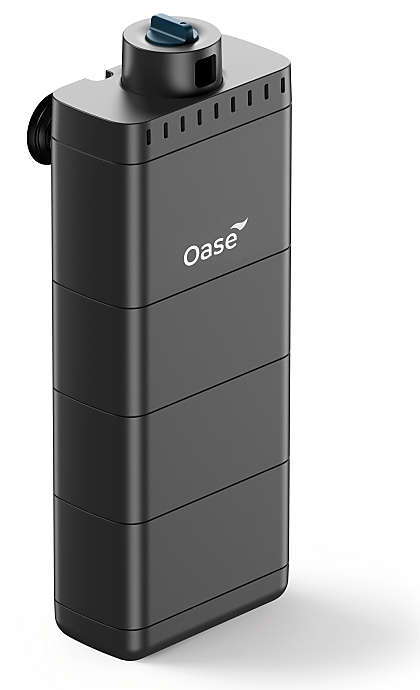
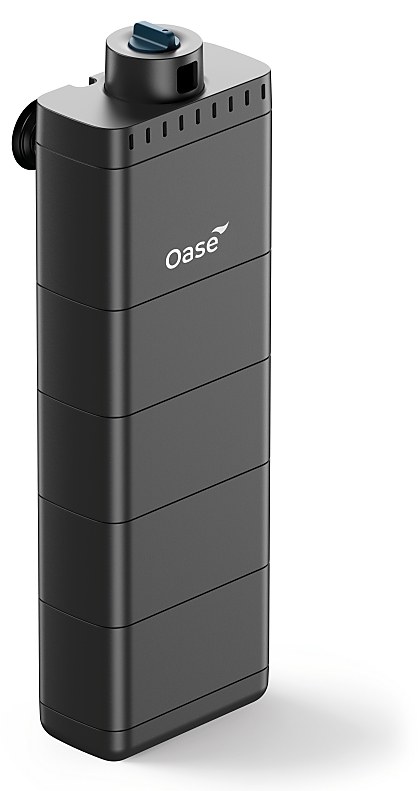
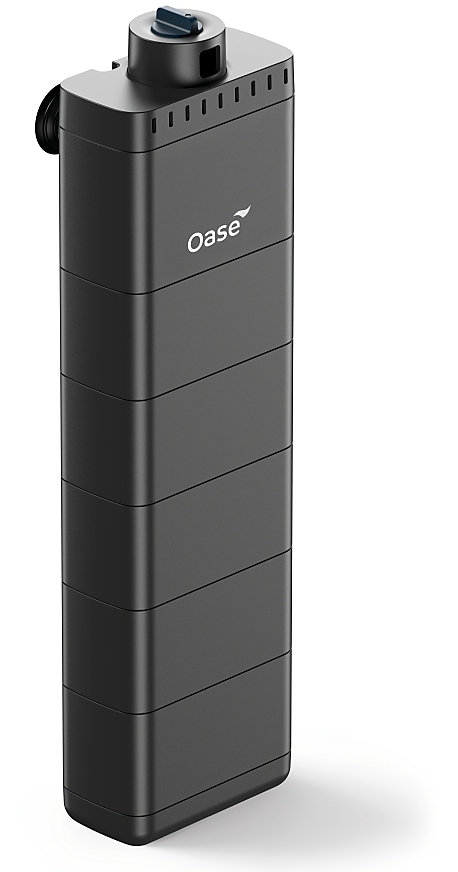
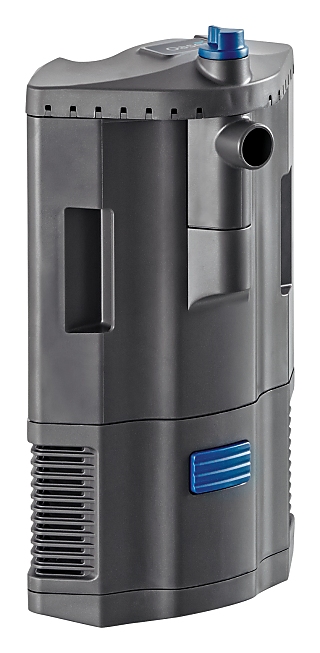
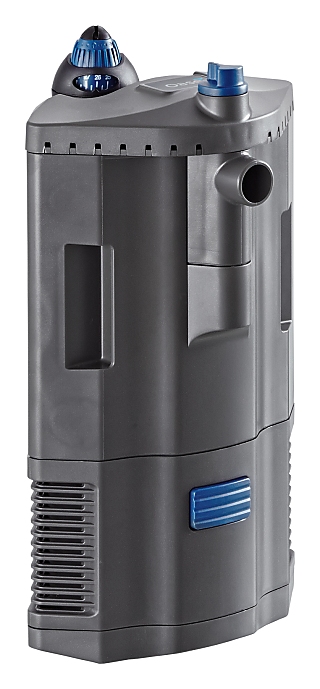
compact internal corner filter for aquariums up to 50 L 350 l/h flow rate with just 5 watts of power consumption With EasyClean for convenient filter cleaning
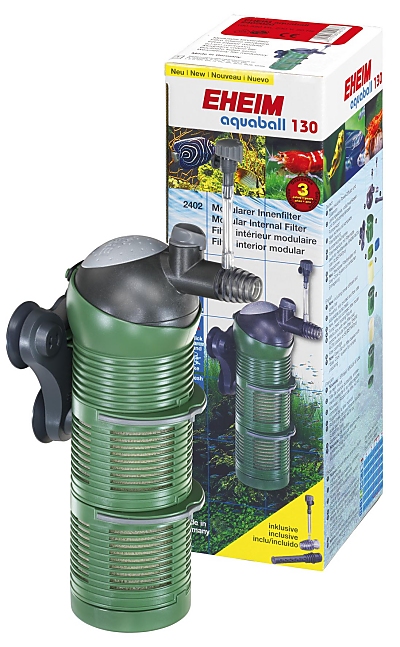
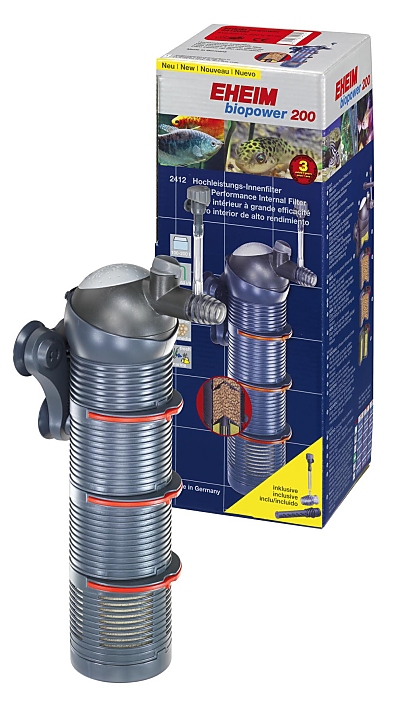
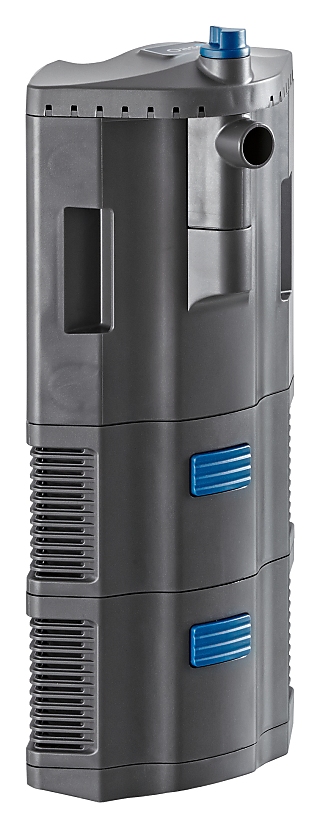
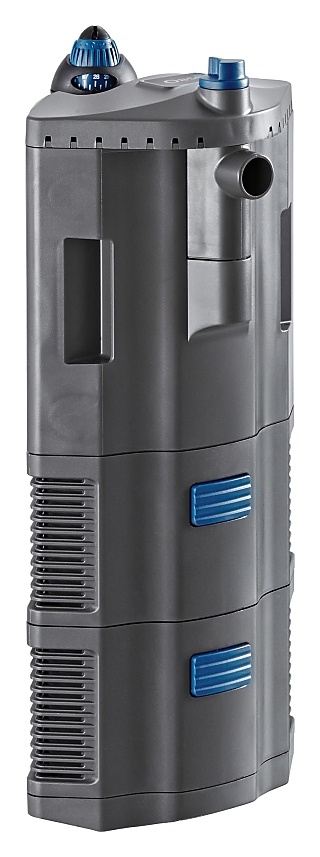
compact internal corner filter for aquariums up to 100 L 500 l/h flow rate with just 6 watts of power consumption With EasyClean for convenient filter cleaning
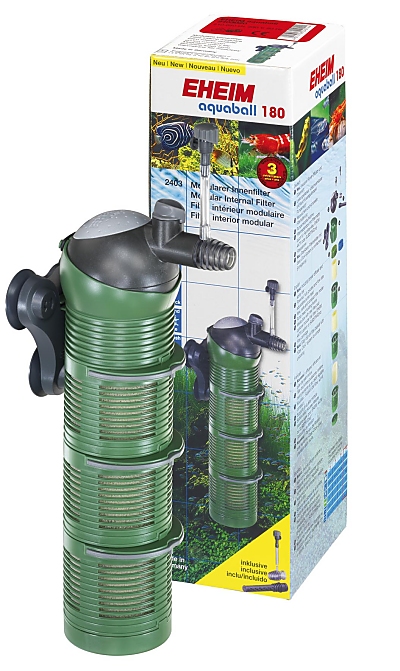
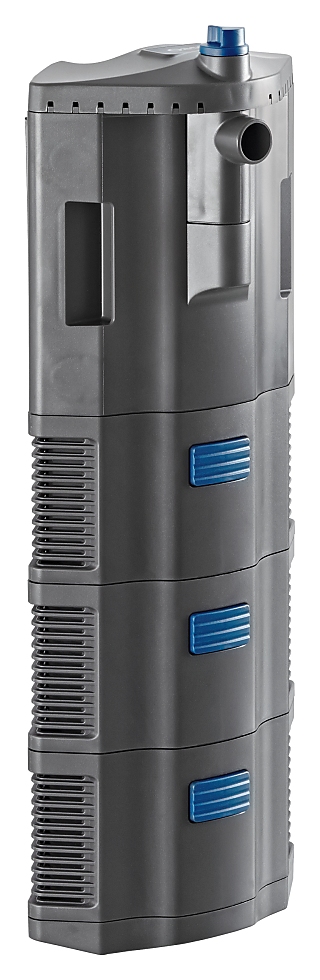
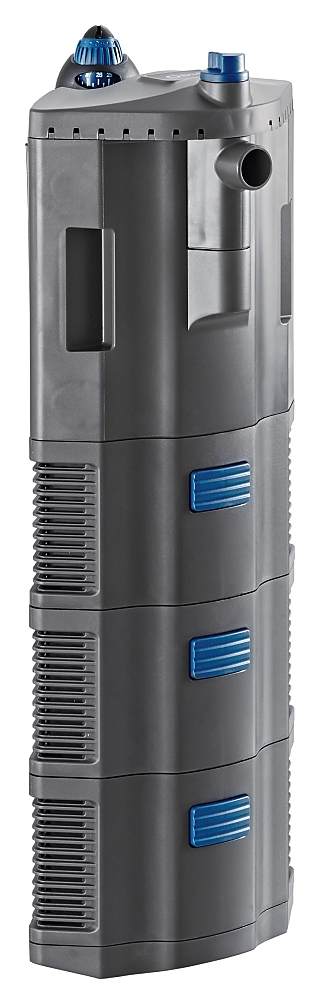
compact internal corner filter for aquariums up to 200 L 650 l/h flow rate with just 7 watts of power consumption With EasyClean for convenient filter cleaning
compact internal corner filter for aquariums up to 50 liters 350 l/h flow rate, integrated 50 W adjustable heater EasyClean for convenient filter cleaning
compact internal corner filter for aquariums up to 100 l 500 l/h flow rate, integrated 100 W adjustable heater EasyClean for convenient filter cleaning
compact internal corner filter for aquariums up to 200 liters 650 l/h flow rate, integrated 200 W adjustable heater EasyClean for convenient filter cleaning
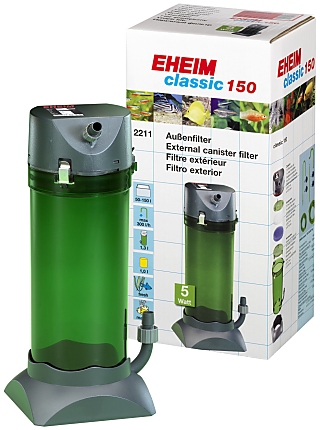
Internal filters are installed inside the aquarium and avoid external hose runs, while external filters provide more media space outside the tank. Air-driven sponge filters can be useful where gentle circulation and a simple intake are required. Select a system that can be maintained regularly without disturbing the aquarium unnecessarily.
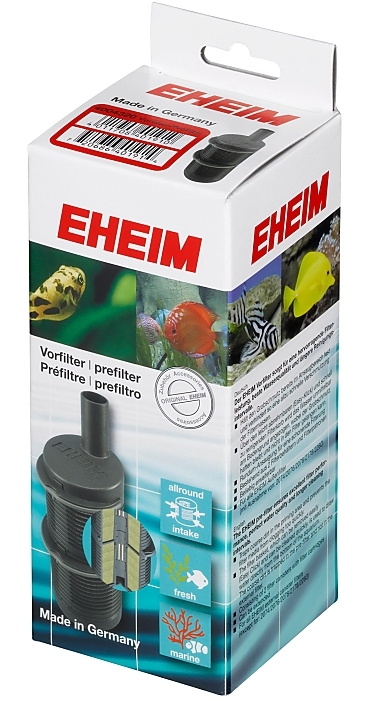
Mechanical media trap particles, biological media provide colonisation surfaces and specialist chemical media are used for defined purposes. Not every medium is required in every aquarium. Follow the filter and media instructions, monitor the flow and avoid replacing all established biological media at the same time unless specifically required.
Choose aquarium filtration by tank size, stocking and maintenance needs
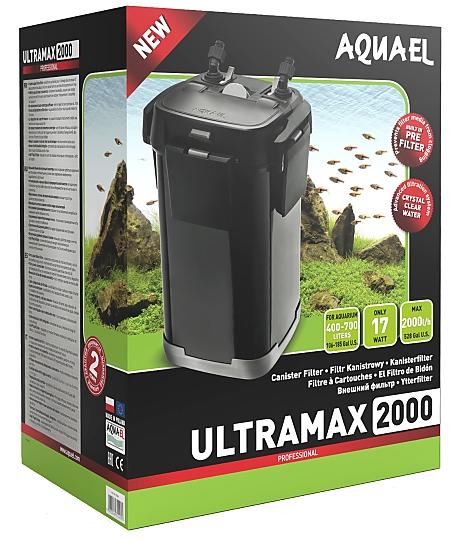
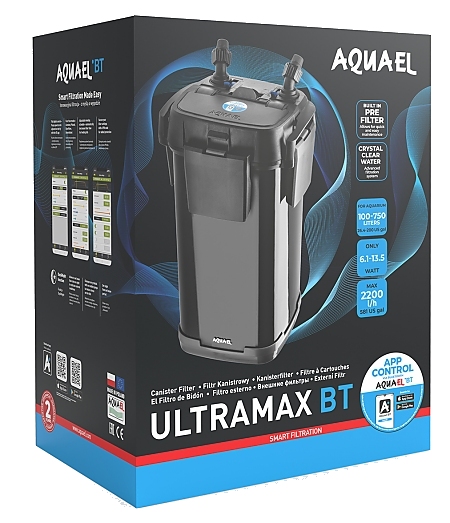
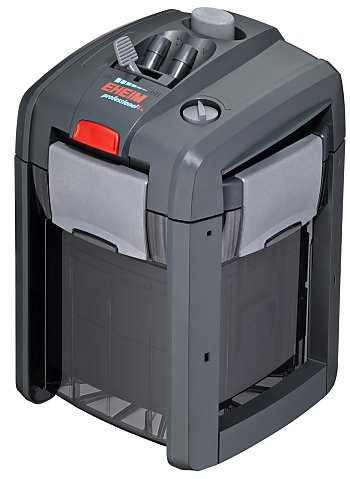
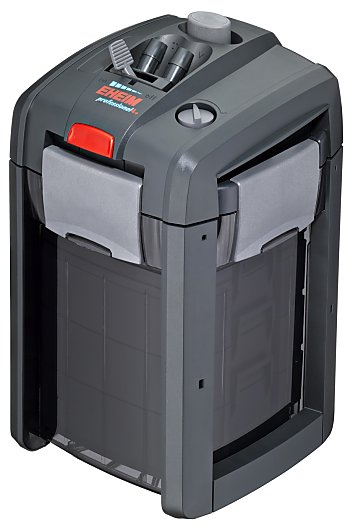
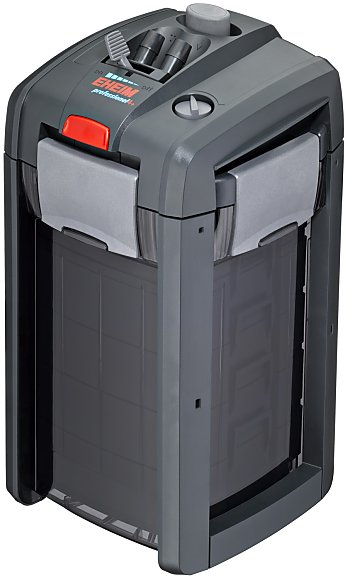
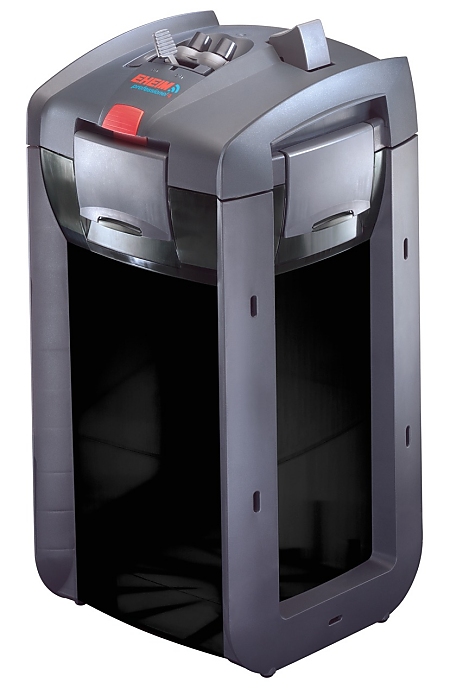
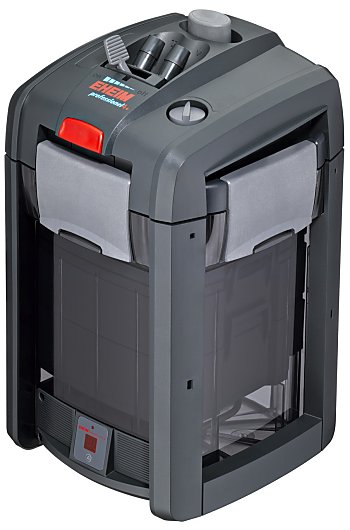
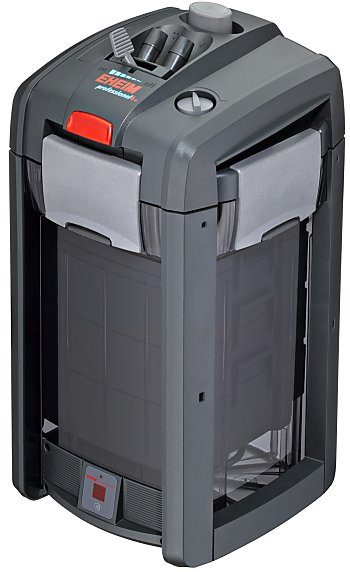
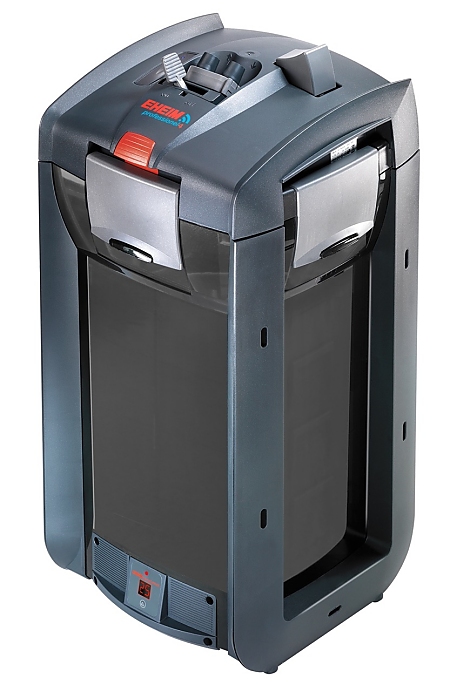
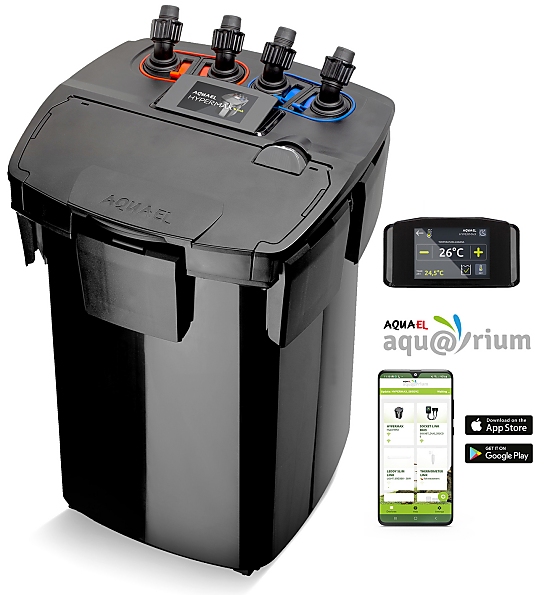
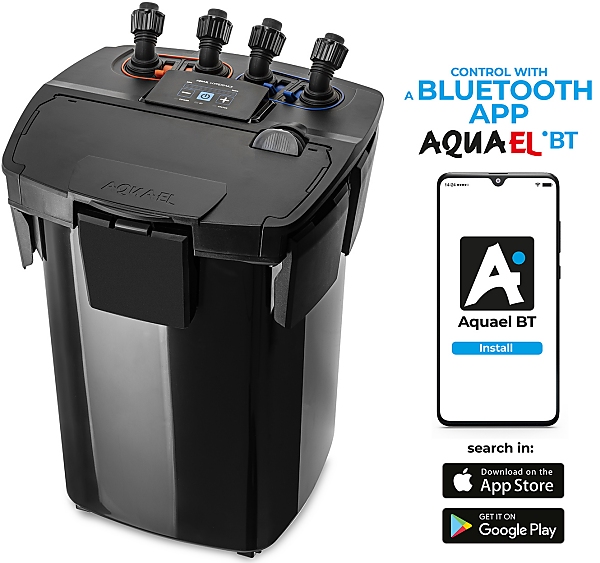
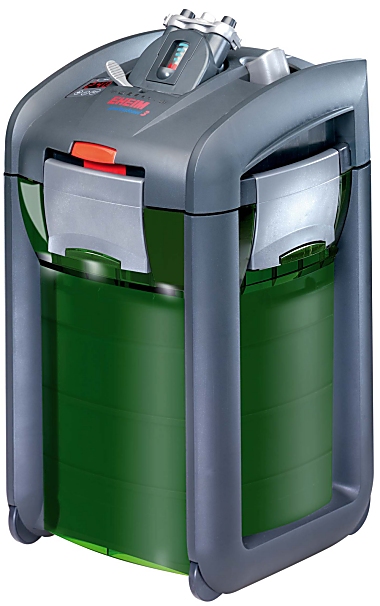
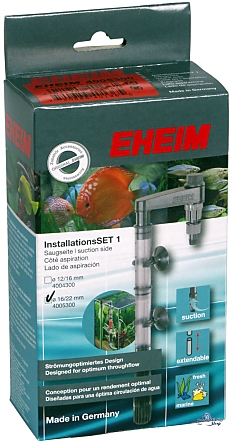
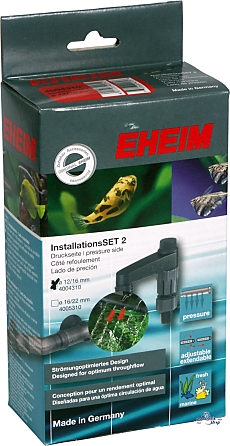
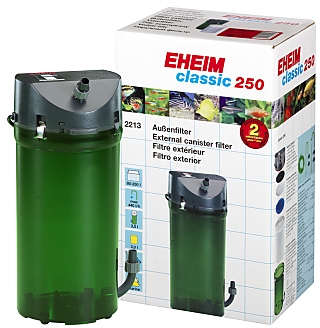
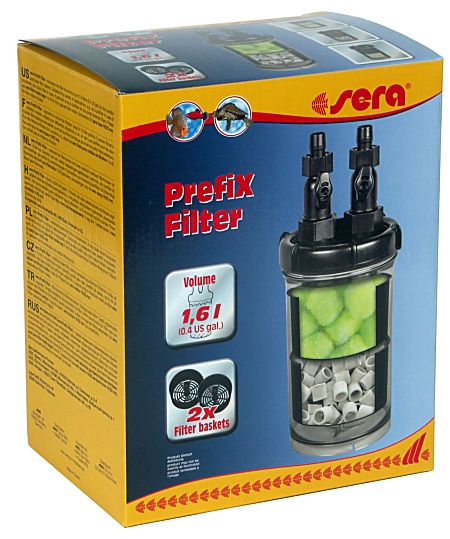
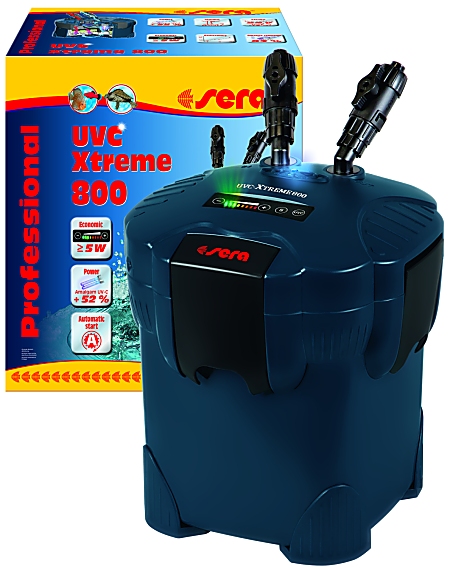
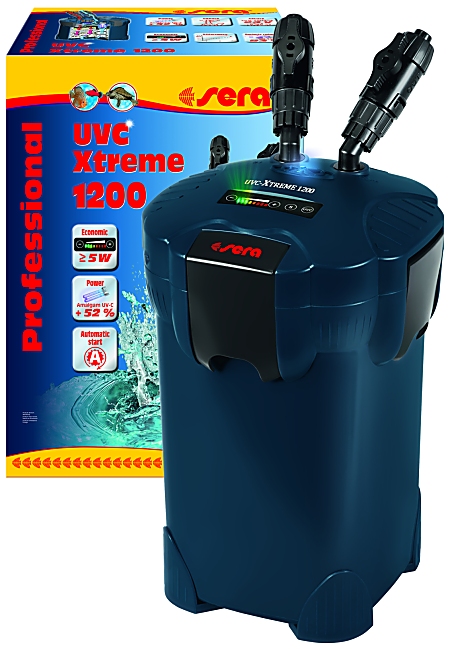
Aquarium filters circulate water and provide space for mechanical, biological or chemical filter media. The appropriate system depends on aquarium volume, stocking, feeding, required water movement, available installation space and maintenance access. Internal filters, external filters, sponge filters and specialist systems each have different advantages and limitations.
Manufacturer aquarium-size recommendations provide a starting point, but actual flow can fall when media, hoses and fittings add resistance. Compare filter volume, stated flow, power consumption, dimensions, connections and the availability of replacement media and spare parts. Marine and specialist aquariums may require additional equipment that is not replaced by a standard aquarium filter.
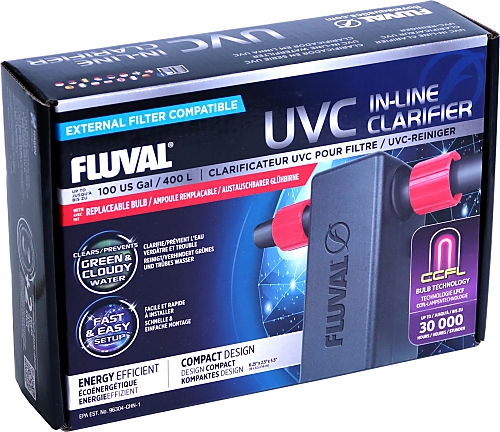
Use the subcategories to compare complete filters, filter accessories and suitable media. Product pages show the scope of delivery and whether hoses, taps, media, spray bars or other connection parts are included.