


Fish Food for all Aquarium Fish
Which food suits your fish?
Suitable fish food depends on the species or group, the size of the fish, the preferred food form and feeding behaviour. Use this guide to narrow down the available range. You do not need to complete every field. Start with the fish group or food form and add the feeding zone only if it is relevant to your fish. The suggestions appear above the full product range. Available pack sizes, current prices and detailed feeding quantities are shown with each product.
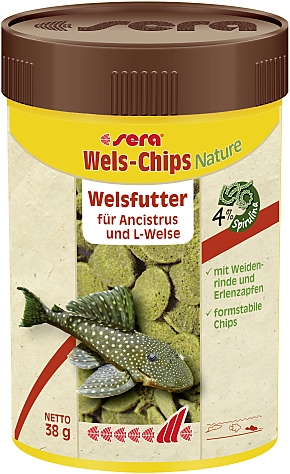
sera Pleco Chips
fast sinking chips, retain their shape for 24 hours
with ballast substances from willow bark
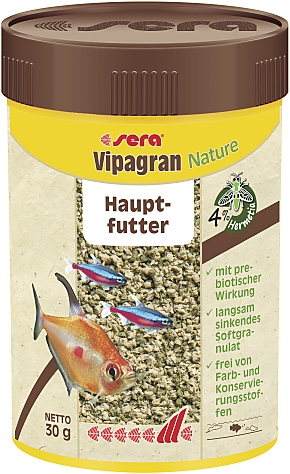
sera Vipagran Granules
slow-sinking soft granules
with 4 % insect meal as a high-quality source of protein
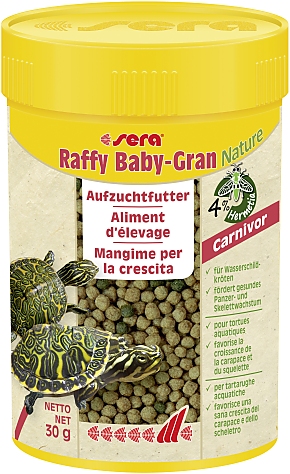
sera Turtle Baby Growth Mix sera Turtle Baby Growth Mix
provides essential proteins and vitamins
ideal for daily feeding
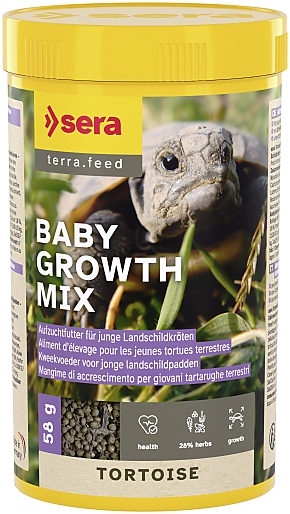
sera Tortoise Baby Growth Mix
contains 28% herbs and vitamins
supports daily feeding of young animals
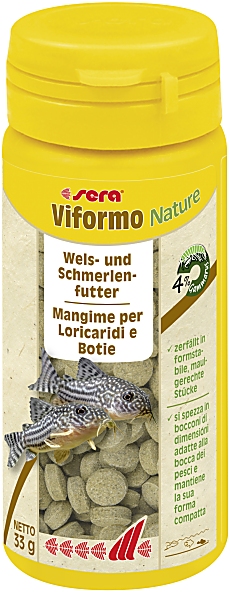
Sera Viformo Pleco Tabs
with vitamin-rich seaweed & gammarus
without dyes & preservatives
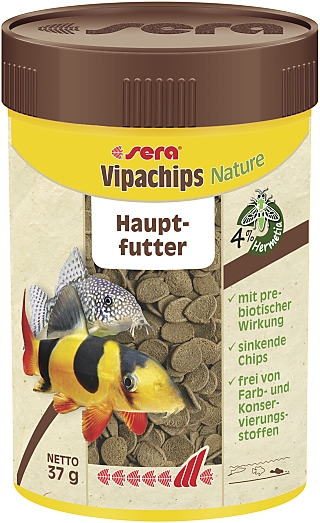
sera Vipachips Wafers
with 6.5% insect meal as a high quality protein source
the chips retain their shape and do not cloud the water
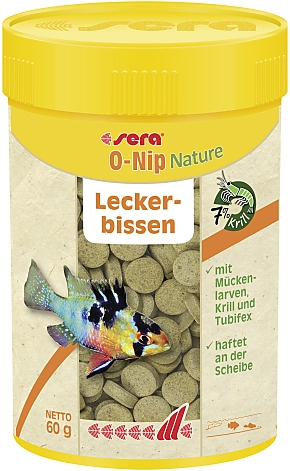
sera O-Nip Stickies
with krill, bloodworms, Tubifex and gammarus
promotes healthy development
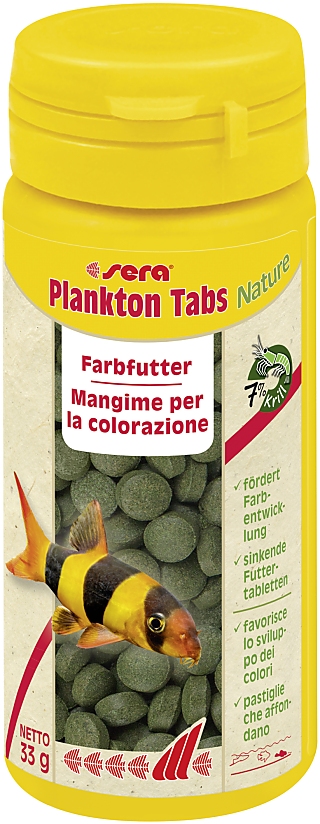
sera Plankton Color Tabs
7 % krill and 24 % spirulina for natural color enhancement
retains its shape for a long time, does not cloud the water
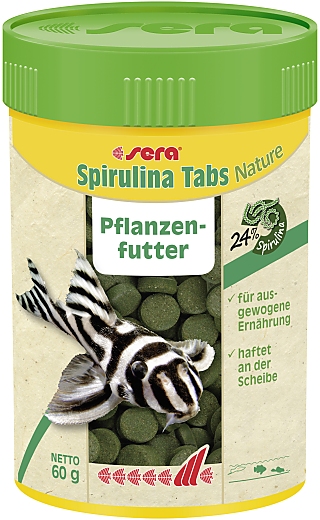
sera Spirulina Tabs
with 25% spirulina for healthy digestion
tablets sticks on the glass
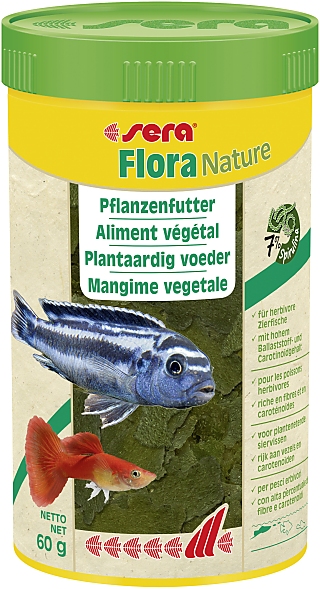
sera Flora Flakes Nature
dimensionally stable, easily digestible flakes
supports healthy digestion and vitality
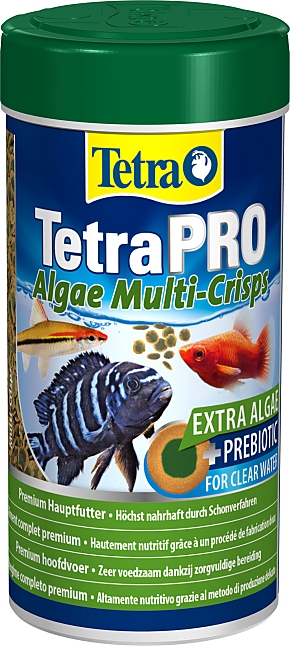
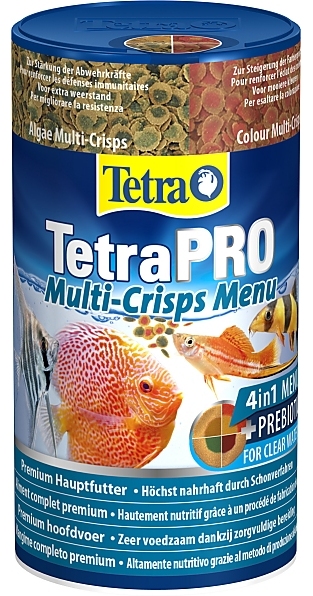
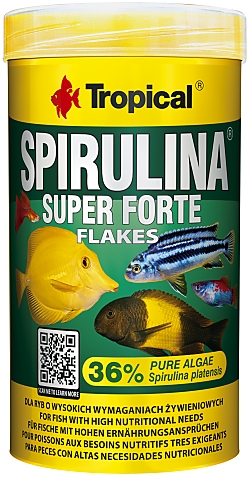
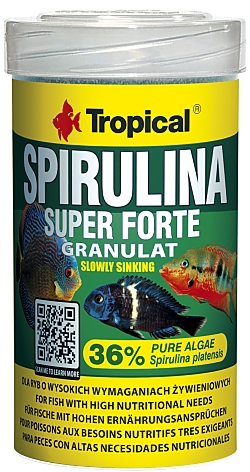
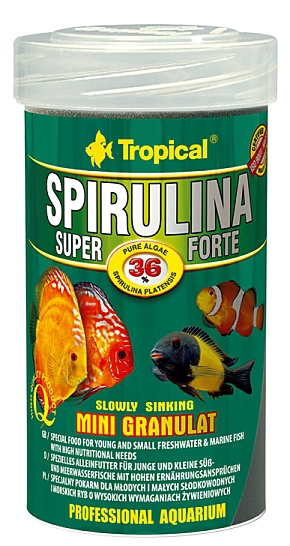
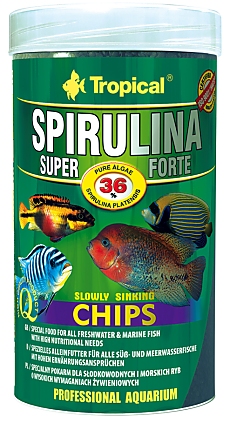
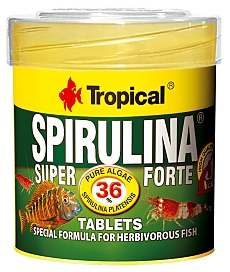
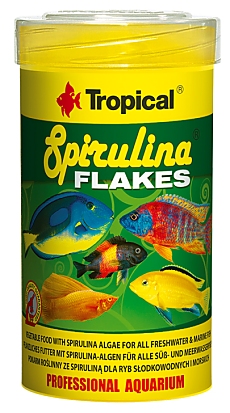
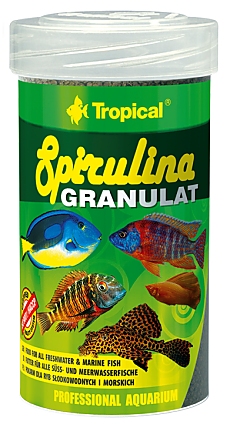
Tropical Super Spirulina Forte Mini Granules
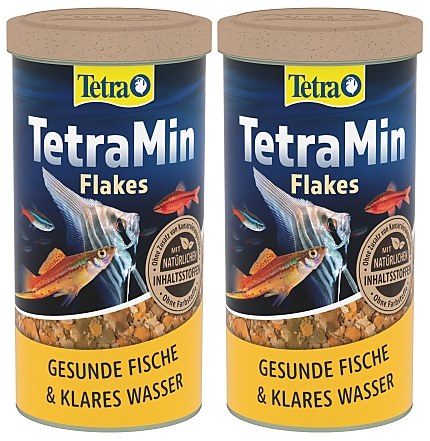
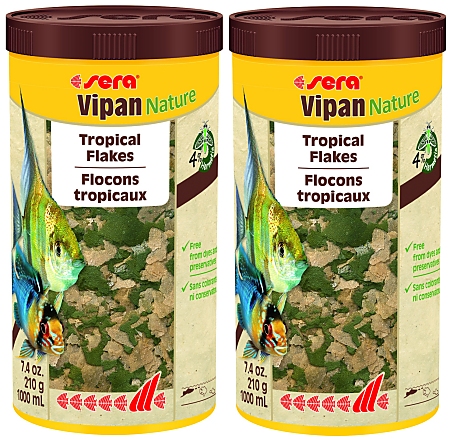
sera Vipan Flakes Staple Food 2x1000 ml
in a large 2x 1000 ml double pack
4 % insect meal as a high-quality source of protein
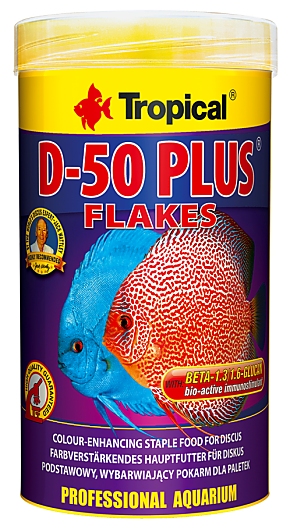
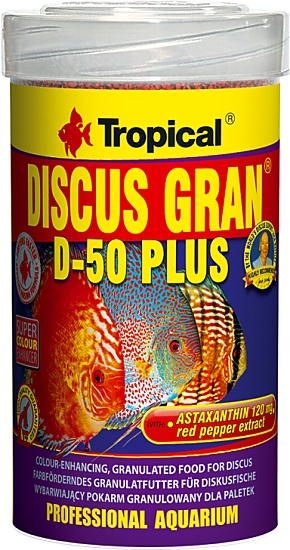
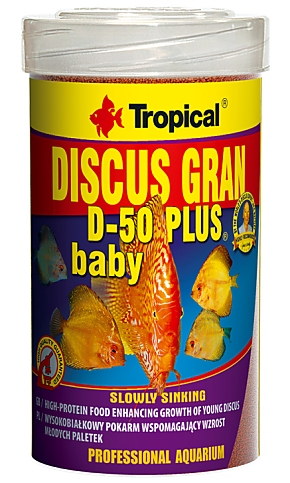
Tropical D-50 Plus
50% protein content
high content of astaxanthin
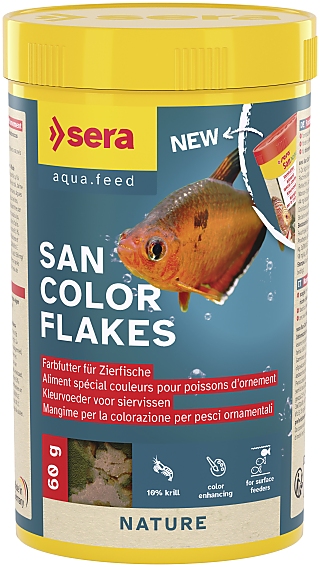
Sera San Color Flakes
dimensionally stable flakes with krill
promote the colourfulness of the fish
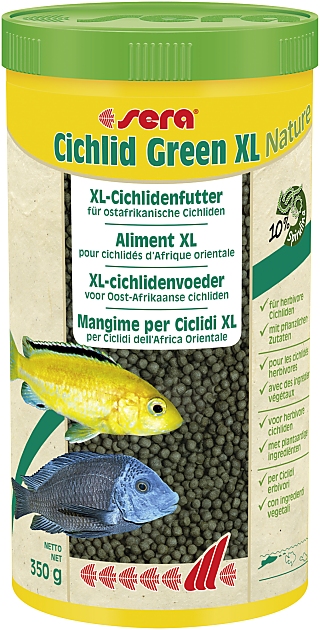
sera Cichlid Herbivore Granules XL
floating granules for large cichlids
Granules retain their shape for a long time
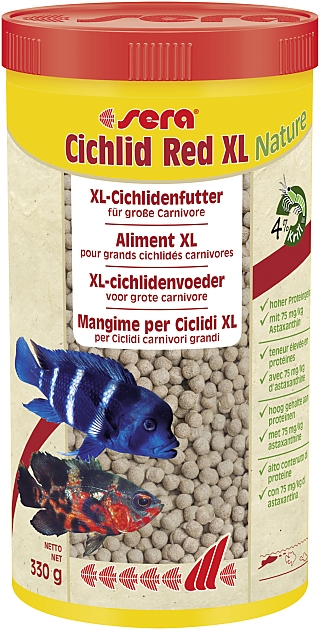
sera Cichlid Carnivore Granules XL
promotes natural coloration
retains its shape for a long time, does not cloud the water
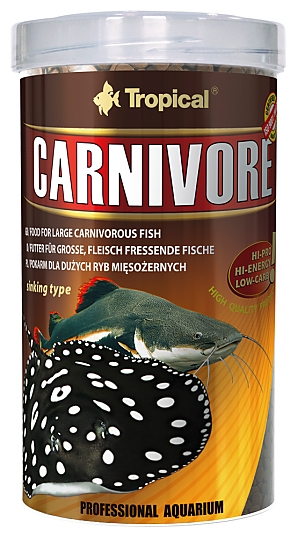
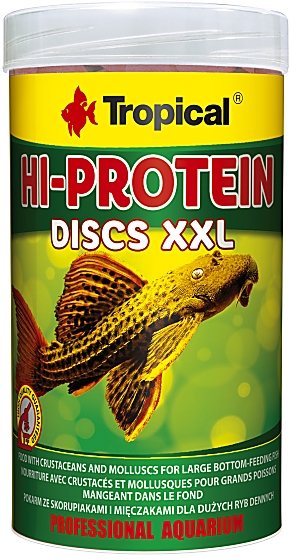
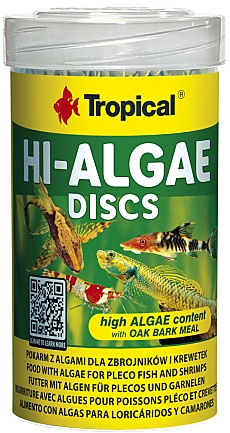
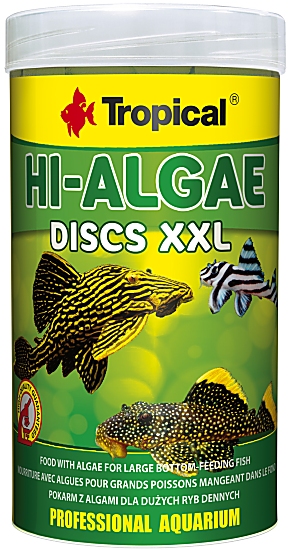
sera Fish Vitamin Mix (Fishtamin)
supplements the ornamental fish diet
promotes immune system and health
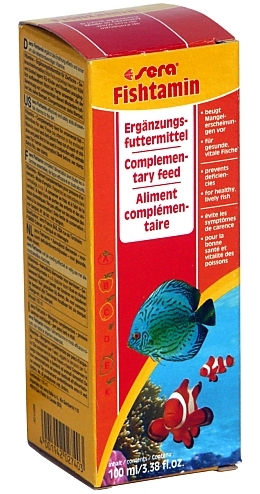
sera Vipan Flakes XL
floating XL flakes for all large fish
flakes retain their shape and do not cloud the water
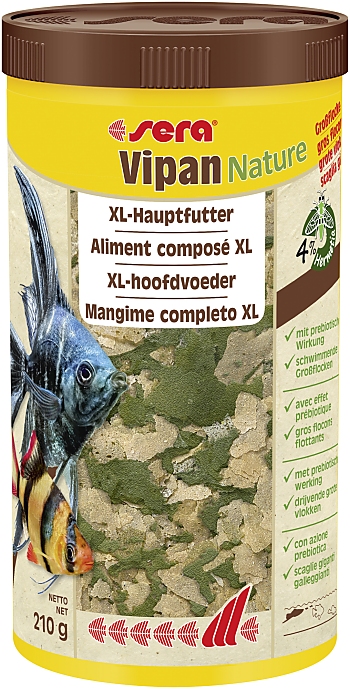
sera Cichlid Malawi Granules (granugreen)
slowly sinking, with 4% spirulina
long-lasting shape, does not cloud the water
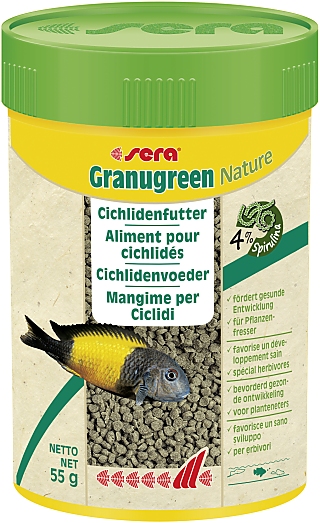
sera Cichlid Tanganyika Granules
with a high protein amount and a high krill percentage
the granules retain their shape and do not cloud the water
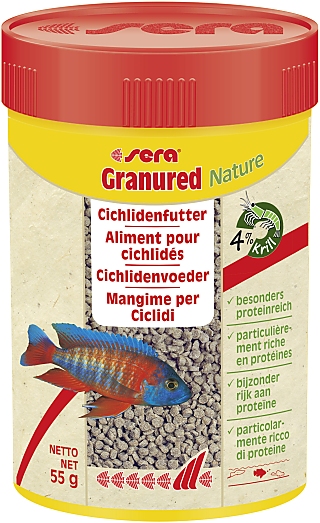
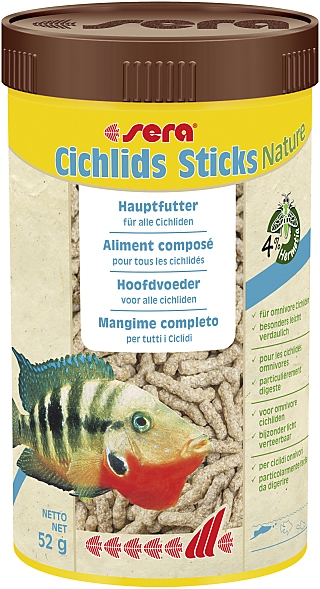
sera Cichlids Sticks
promotes healthy development and vitality
sticks retain their shape and do not cloud the water
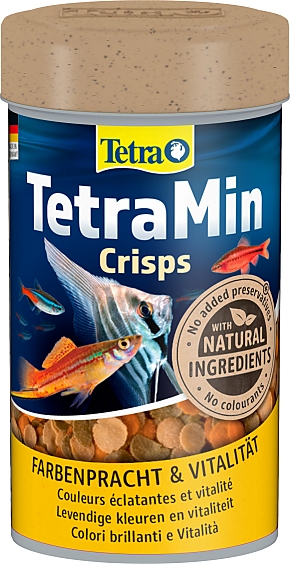
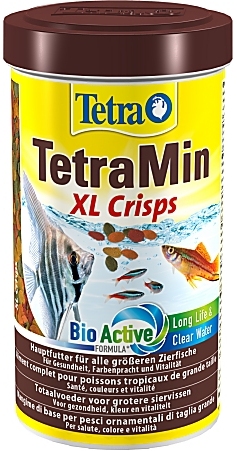
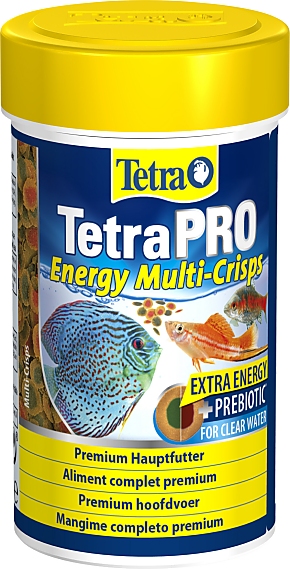
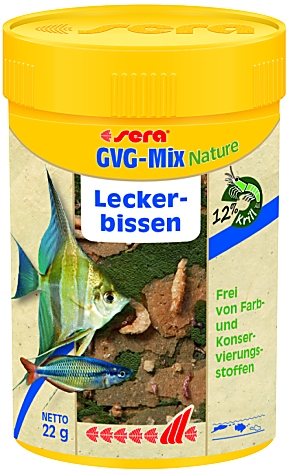
sera GVG Mix Royal Flakes
mixture of flakes and whole food animals
12 % krill, 2.7 % red mosquito larvae and 2.7 % daphnia
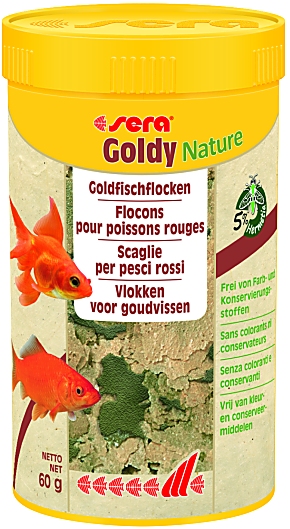
sera Goldfish Flakes
promotes healthy growth and color development
flakes retaining their shape that do not cloud the water
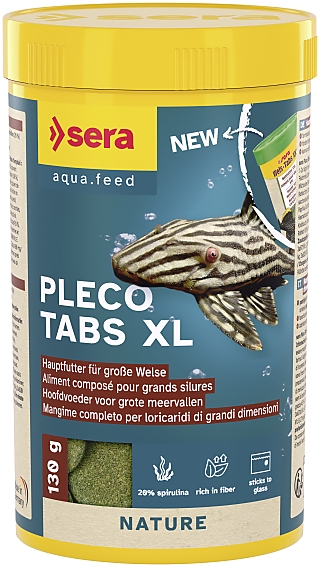
sera Pleco Tabs XL
without dyes and preservatives
high spirulina content
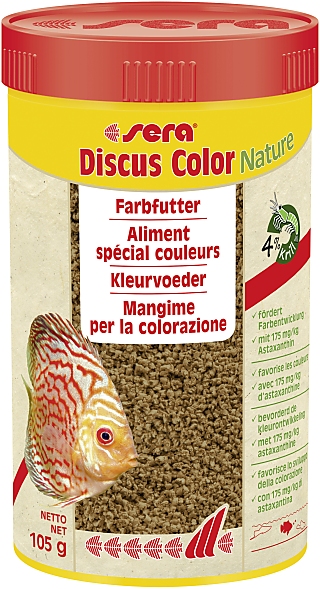
sera Discus Color Granules
with a high amount of color optimizing ingredients
quickly develops a meaty consistency in water
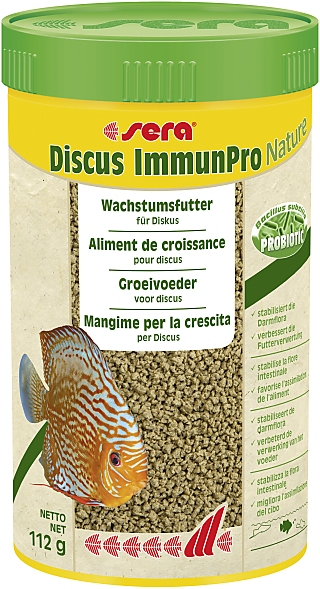
sera Discus Probiotic Granules
stabilizes the intestinal flora and optimizes food utilization
quickly develops a meaty consistency in water
How to choose suitable fish food
Species or fish group, animal size, food form and feeding zone all help to narrow down the choice. Our range includes food for discus, cichlids, catfish and other bottom dwellers as well as products for mixed ornamental-fish aquariums.
Flakes, granules, tablets, chips, wafers and sticks
Food forms differ in production, structure and behaviour in water. Flakes are rolled into thin pieces, while granules are usually shaped in an extruder. Tablets, chips and wafers are commonly used for targeted feeding at the bottom or on surfaces. Sticks and pellets are available in different sizes for larger fish.
Surface, midwater or bottom
The feeding zone should suit the natural feeding behaviour of the animals. Flakes are often taken at the surface and in the upper water layer. Depending on production, granules can float or sink at different speeds. Tablets, chips and wafers are particularly useful when food needs to reach bottom-dwelling fish.
Staple, supplementary and specialist food
Staple and complete foods are designed for regular basic feeding. Supplementary foods add variety or particular ingredients, while specialist foods serve a defined purpose such as rearing, colour enhancement or the needs of a particular fish group.
Examples from the range
The range includes suitable foods for discus, cichlids, catfish and other bottom dwellers. Suitable rearing foods can also be found through the selection above.
Feeding quantity and variety
There is no single feeding quantity for every aquarium. Consider species, size and number of animals and actual food intake. Different suitable foods can provide variety, while uneaten food should not remain in the aquarium.
Frequently asked questions
Which food is suitable for a community aquarium?
Start with “General ornamental fish”, then compare fish size, feeding zone and the requirements of the species actually kept.
What is the difference between flakes and granules?
Flake food and granules differ mainly in their production and structure. Flake food is rolled into thin flakes, whereas granules are shaped in an extruder. Granules are usually more stable, disintegrate more slowly and generally cloud aquarium water less. Depending on production, they may sink quickly or slowly; hard and soft granules are also available. Flake food, on the other hand, is easy for many fish to take and is particularly suitable for feeding at the surface and in the upper water layer.
Which food is suitable for bottom-dwelling fish?
Select “Catfish/bottom dwellers” or the optional feeding zone “Bottom”. Tablets, chips and wafers are often suitable because they reach the bottom and remain accessible there.
Can I combine different foods?
Yes. A varied combination can address different feeding zones and nutritional needs, provided every food suits the fish and the total quantity remains appropriate.
How do I find the right food size?
The food should be easy for the fish to take. Young and small fish need fine food, while larger fish can handle larger granules, pellets or sticks. Pack size and particle size are not the same thing.
What is the difference between staple and supplementary food?
Staple food is designed for regular basic feeding. Supplementary food adds variety or selected nutrients but does not necessarily provide complete nutrition on its own.